

Published on: 06/09/2026
This news was posted by Oregon Today News


Description

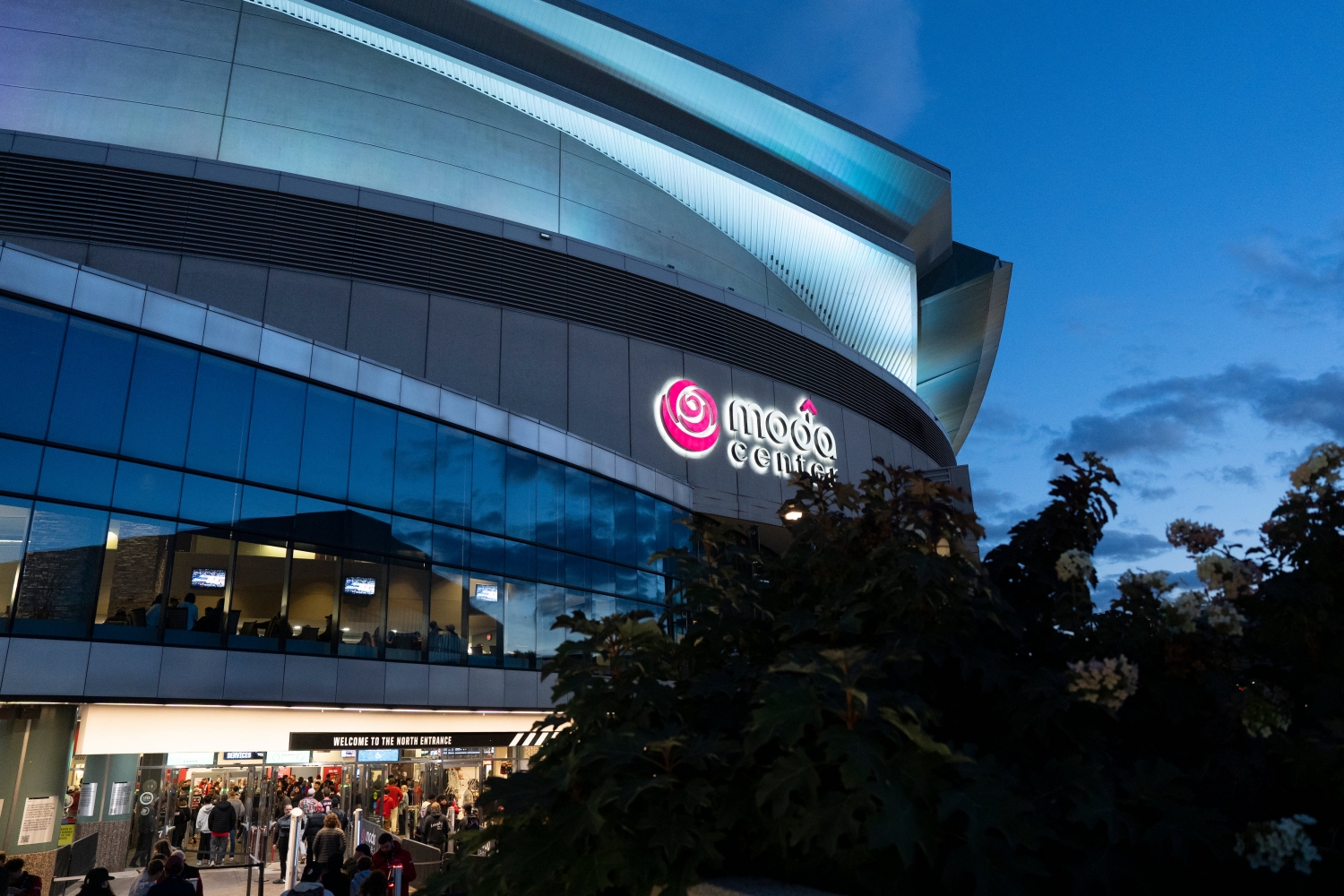
Portland’s 31-year-old Moda Center arena is in a moment of transition. So too is its major tenant.
With a lease between the city and Blazers coming up for renewal and the team’s new owners coming in with big demands, city and state leaders have been pressured into making big funding commitments on a whirlwind timeline.
Proposals over how (or whether) to fund proposed arena renovations and what the city can get in return have fueled political debate, a signature-gathering campaign, and city budget arguments.
Portlanders are now being asked to weigh in, with public hearings scheduled for next weekend and votes scheduled before city council. But information on the next steps remains scant.
Here’s a refresher on how and why the city’s playing an active role in negotiations and how the public can get involved.
How did we get here?
In August, an investor group announced plans to buy the Blazers from the estate of Paul Allen, the team’s longtime owner.
That group is led by Tom Dundon, a subprime auto loan billionaire who lives in Texas and owns the NHL’s Carolina Hurricanes. The NBA approved that sale, valued at roughly $4.25 billion, in March.
In the months between signaling plans to buy the team and the NBA’s sign-off, representatives for Dundon pressed local and state elected officials to commit financially to upgrading the Moda Center, arguing that it needs at least $600 million in renovations.
The campaign worked.
That state committed $365 million in bonds, which will be paid off by current and future income taxes currently paid by the Trail Blazers and other employers in Portland’s Rose Quarter.
Multnomah County has promised around $88 million coming from a tax on rental cars, business income tax revenue and other sources – and $13 million more over the next 20 years. Additionally, Mayor Keith Wilson pitched in a total of roughly $120 million toward renovations in the near-term, and $285 million more in the next 20 years.
It’s not yet clear how the city will cover that cost.
Mayor Keith Wilson has suggested using $50 million in tax proceeds from the team’s sale, and filling the remaining gap with money from the Portland Clean Energy Fund and Prosper Portland, the city’s economic development bureau.
City councilors, who will have to vote on the final funding package, are undecided about where this money should come from.
This was just the start of the commitment. Now the government bodies are set to negotiate a long-term lease with the Blazers, which will include these funding commitments and other promises.
They’re on a tight timeline.
The state’s bonding authority ends in January, and it has given all parties a mid-December deadline to close the deal.
What kind of renovations does the arena need?
According to an in-depth report the city commissioned in 2024, the Moda Center needs a good amount of renovations to maintain basic operations – like fixing cracked concrete and corroded steel, upgrading aging elevators, replacing stained seating and uneven aisle stairs, fire alarm maintenance, and major plumbing fixes.
In a June 3 internal memo, city venues manager Karl Lisle said that these fixes would cost about $482 million over the next 20 years.
Skeptics of the city’s renovation funding plan have raised concerns that these fixes are focused largely on meeting the Blazers’ needs.
According to Lisle’s report, just $80 million of that total cost estimate directly impacts Blazers-related activity, like locker room renovations, broadcasting upgrades, sports lighting fixtures, and other things.
The Blazers, meanwhile, estimate the renovations to cost at least $600 million.
It’s not clear what that would be spent on. In his memo, Lisle wrote that he believes the Blazers are vying for new features that may be non-negotiable.
“These more transformational projects are necessary to achieve a truly state-of-the-art facility and secure a long-term commitment from the Blazers,” Lisle wrote.
When will city leaders decide on their funding plan?
Conversations will begin in July, when the PCEF Committee will review how – and whether – climate funds should be used on arena renovations.
A similar discussion will come to Prosper Portland’s board, which will decide whether to spend money from its “strategic investment fund” on the arena. That revolving fund generally pays for small business loans and real estate acquisitions.
The city is scheduled to vote on August 12 on something called a “term sheet.”
That’s a document that all involved parties – the city, state and Blazers – agree as the starting point in their lease negotiations. It will include agreed-upon funding plans and non-financial commitments.
What could the city ask for in the lease agreement?
Perhaps the most important to city leaders is a guarantee that the Blazers will keep playing in Portland for the duration of the lease – and a steep penalty for breaking that agreement.
But officials are also looking for public benefits beyond who plays at the arena. Other cities that have won concessions in exchange for public financing on new arenas or stadiums have set a precedent.
In Philadelphia, a 2024 agreement to build a new 76ers arena came with the franchise promising to build affordable housing and support workforce development in the neighborhood surrounding the new stadium.
Milwaukee’s 2016 public investment in a new Bucks stadium required the franchise to allow arena workers to freely unionize.
And in 2019, the L.A. Clippers agreed to put millions into affordable housing and youth programs in Inglewood, the home of their new Intuit Dome arena.
Already, city and county leaders have discussed including some kind of pledge that the arena renovations are carried out by unionized construction firms, and possibly plans to invest in development around the area in partnership with 1803 Fund and Albina Vision Trust.
Those two organizations are focused on redeveloping historically Black Portland neighborhoods, like the one surrounding the Moda Center.
How can the public get involved?
The city is holding a series of weekend community listening sessions spread out across a number of city parks on June 13 and June 14.
The public will also be able to submit comments and testimony at the PCEF and Prosper Portland meetings, and at city council hearings ahead of the August 12 term sheet vote.
Could Portlanders vote on this?
City Councilors Mitch Green and Steve Novick have both expressed interest in allowing Portlanders to decide if they want to spend public money to revamp the arena.
In that scenario, the city would likely ask voters if they’d be willing to pay higher taxes to pay off a city bond that will cover the $120 million bill. And, because of the state’s bonding deadline, it would need to be voted on before the end of the year.
That could be a long shot – and not just because of growing opposition to new taxes. According to the city elections office, July 22 is the last date that the City Council could refer a measure to the November ballot. That doesn’t give councilors and city attorneys much time to pull together a draft.
Neither Green nor Novick says they’re currently working on the ballot proposal language.
When will councilors vote on the final lease plan?
After an early August term sheet vote, the city’s negotiating team will spend the following three months hammering out final details. The long-term lease proposal is scheduled to come to the city council for a final vote no later than Dec. 17.
Members of the public will have several opportunities to give feedback on the lease before then.
What happens if they don’t reach a deal in time?
This is a question local leaders won’t speak to directly.
If the deal falls through before the end of the year, the state’s financial commitment – the bulk of the funding package – goes away. State lawmakers have a chance to introduce an identical bill to issue bonds in the January legislative session.
It’s not clear where that would leave lease negotiations.
If it does pass, where are renovations expected to begin?
If the funding plan is finalized on time, construction is expected to begin next summer, with a goal to be finished in time for Portland to host the NCAA Women’s Final Four in 2030.
News Source : https://www.opb.org/article/2026/06/09/portland-unveils-timeline-for-moda-center-deal/
Other Related News
06/09/2026
WASHINGTON The Pentagon has added several prominent Chinese businesses including the tech...

06/09/2026
Portlanders need a win Lately this city has felt buried under bad news rising costs higher...

06/09/2026
Running a hiking group might sound simple Pick a trail tell people where to meet and show ...
06/09/2026
The US Supreme Court is heading into its crunch time the part of the year when the justice...

06/09/2026
DEAR MISS MANNERS My husband and I went on a trip to visit my mother-in-law While we were ...

Follow

Download Our App


Copyright 2022 © EPUERTO. All Rights Reserved