

Published on: 12/13/2025
This news was posted by Oregon Today News


Description

Climate change is contributing to drier conditions in the Pacific Northwest, causing wildfires to become more intense and destructive. A growing reforestation industry has emerged in their wake.
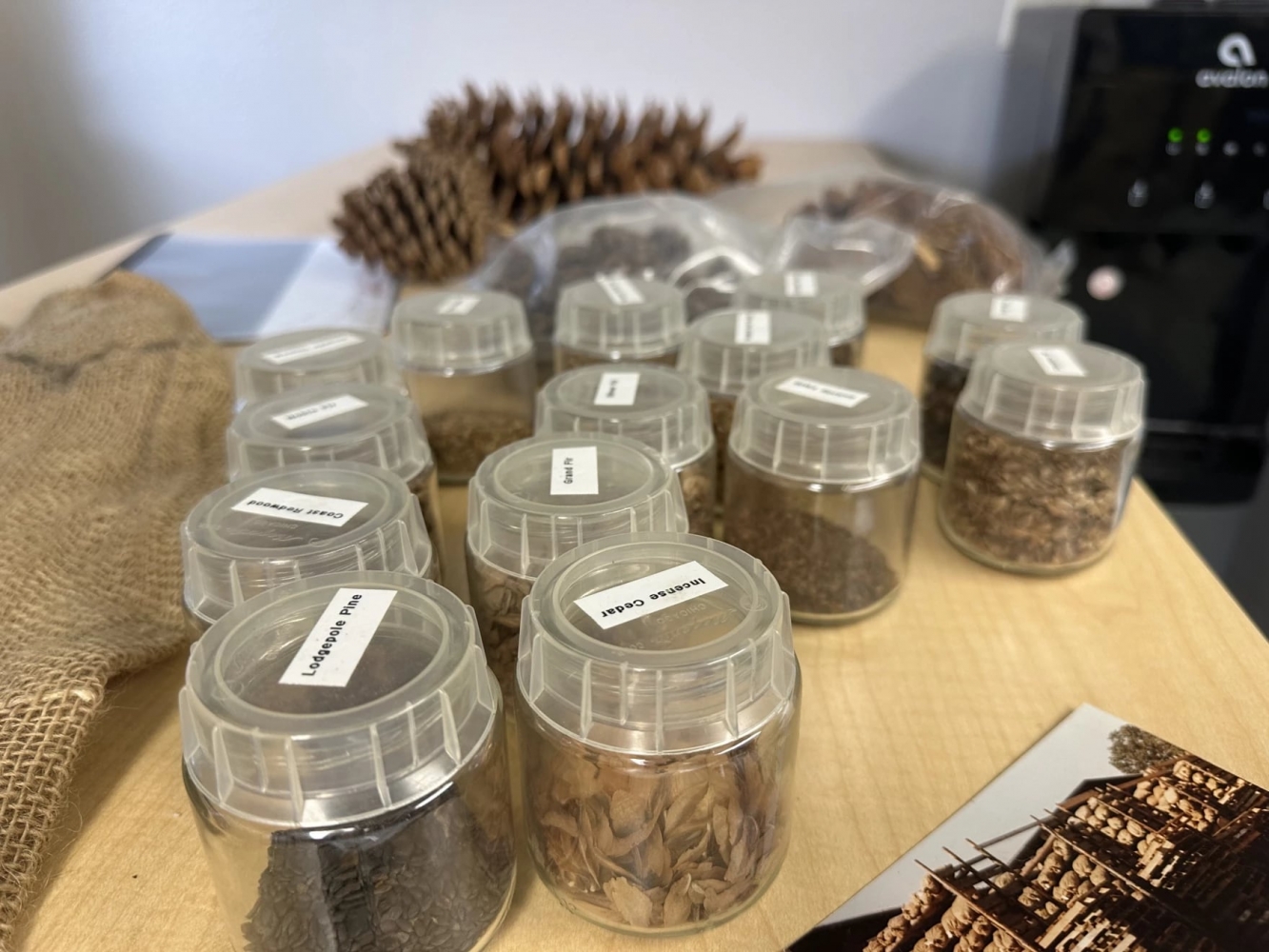
The company Silvaseed is a key player in the region. Based southeast of Olympia in Roy, Washington, Silvaseed collects, cleans, catalogues and preserves seeds. It also raises millions of seedlings every year in its greenhouses and fields. Customers include private timber companies, public land managers and tribal nations.
Landowners contact the company looking for the right trees to plant in scorched areas, said Grant Canary, the CEO and founder of Silvaseed’s parent company, Mast Reforestation.
When Canary was in high school biology class, he was taught that “forest burns, forest regrows,” he said. “And whether you’re a timber or tribal nation or a small land holder or public lands, you could count on that almost like 90% of the time.”
“Now that rate has dropped really significantly as the severity of fire has increased along with the size,” he said.
He said over the past 30 years, the amount of land consumed by forest fires has tripled. In the United States, it’s gone from an average of 2.5 million acres per year to 7.5 million acres per year. That increase is about the size of New Jersey.
Old facilities, new applications
Inside a warehouse built in the 1940s, Silvaseed general manager Kea Woodruff starts a tour of the facilities by flipping a switch to fire up a huge, old kiln.

Inside it are long racks filled with green cones that slowly open in the heat. They are collected from western forests by private cone collectors who get special permits from local ranger districts in rural communities. The cones are sold through third-party buying stations.
Woodruff said most species’ cones need the kiln to reach about 100 degrees Fahrenheit.
“That’s about the temperature that encourages them to open their scales,” she said. “Think of it as a hot summer day.” For some of the west coast species, like western hemlock or western red cedar they run the kiln closer to 85 degrees.
After they extract the seed and funnel it into burlap sacks, it goes next door, where more old machinery shakes the seed from the chaff.
Right seed, right place
At every step of the way, as the seed gets refined and purified, the bags are meticulously labeled and tracked. Seed from sugar pines, Pacific silver firs, Doug firs, noble firs and western larch surround us — each bag with precise information on the lot number, elevation and zone it came from.
“We need to know where the seed came from, otherwise it has very little value for reforestation,” Woodruff said.
The unique genetics of each tree make it suitable for the conditions where it will be planted, she explained. If it’s the wrong tree, it might start to grow too early and get damaged by frost or heat.
The seeds are tested and x-rayed in a lab for moisture, intactness and purity before they’re finally stored in a freezer.

Preserving genetic diversity
Woodruff said the company’s 2021 acquisition by Seattle-based Mast Reforestation allows it to be part of a bigger solution.
Mast provided Silvaseed with modern software that manages the inventory and makes it easier to find seed from the zones required by its customers. It also provides information about seed characteristics and suitability for a burned site.
“Quick Reference to be able to say, ‘Hey, do we have a seed zone? What’s the seed? When was the last germination test of the seed, what’s the quality, what’s the species, how much?’” CEO Canary explained.
Canary said Mast also acquired California’s huge Cal Forest Nurseries in 2023, working toward its goal of becoming a vertically integrated entity, controlling multiple stages of the reforestation supply chain.
To help finance its operations, it cleans up after forest fires and sells carbon credits for things like burying burned wood underground.
Standing between the rows of boxes in the company’s chilly seed bank, Woodruff said this vault holds seeds going back to the 1960s. Silvaseed is preserving unique genetics that are now at risk of loss, she said.
“As climate change continues to cause devastation in our forests, whether it’s from fires or whether it’s from insect outbreaks, that it’s really important that we maintain this resource.” Woodruff said. ”And so I’m grateful every time I’m in this freezer.”

Bellamy Pailthorp is a reporter with KNKX. This story comes to you from the Northwest News Network, a collaboration between public media organizations in Oregon and Washington.
It is part of OPB’s broader effort to ensure that everyone in our region has access to quality journalism that informs, entertains and enriches their lives. To learn more, visit our journalism partnerships page.
News Source : https://www.opb.org/article/2025/12/13/150-year-old-seed-company-washington-climate-change/
Other Related News

12/13/2025
TODAY Join us from 11 AM - 2 PM for FREE kids activities We cant wait to see you for our f...

12/13/2025
Dear Liz I have less than 5000 in my savings account a 12-year-old car and a mortgage with...

12/13/2025
The first game of the college football bowl season gets underway today with the Prairie Vi...

12/13/2025
The FCS Championships-Quarterfinals feature the Villanova Wildcats 11-2 taking on the Tarl...

12/13/2025
The D3 Championship-Quarterfinals feature John Carroll Blue Streaks 11-1 facing the Berry ...

Follow

Download Our App


Copyright 2022 © EPUERTO. All Rights Reserved