

Published on: 12/29/2025
This news was posted by Oregon Today News


Description
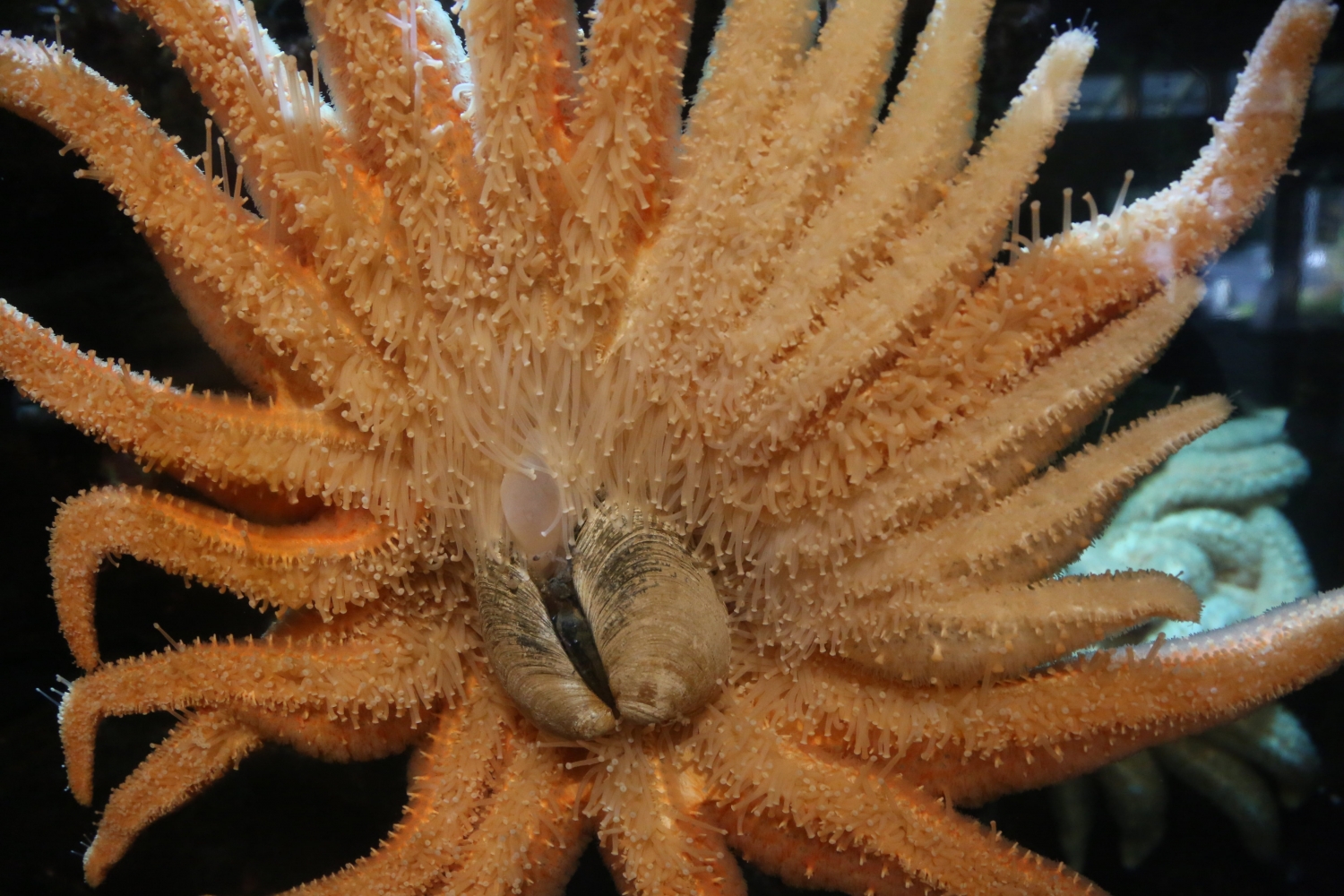
2025 has been a banner year for scientists in the Pacific Northwest working to save sea stars from a mysterious wasting disease.
Research groups from several universities and institutes have been tackling the problem, each looking for ways to help these important apex predators recover. They’ve found success on many fronts.
The work to save sea stars is ultimately an effort to save coastal kelp forest ecosystems. These habitats have been in decline in many areas, in part, because sea stars are major predators of sea urchins, which eat kelp. Without sea stars to help keep populations in check, urchin populations have exploded, leaving urchin barrens in their wake.

Backstory
Beginning in 2013, a mysterious sea star wasting disease swept along the West Coast. Twenty species of sea stars were affected. Their bodies appeared to turn into goo and melt away. Billions of starfish died.
This video from the Northwest public media collaboration EarthFix shows what researchers were facing back in 2013.
https://pmc.ncbi.nlm.nih.gov/articles/PMC4760142/
Cut to 2025: Captive breeding
After 90% of the world’s sunflower sea stars succumbed to the wasting disease, the University of Washington’s groundbreaking breeding program is now releasing captive-raised starfish into the wild.
This is good news for a species that was listed as critically endangered by the International Union for Conservation of Nature.
This story and video from Oregon Field Guide showcases the lab’s work on captive sea star breeding.
Baby boom
On the Oregon Coast, ochre sea stars experienced a baby boom after getting hit hard by the wasting disease. Scientists at Oregon State University say the new batch of ochre sea stars hanging out on coastal rocks are smaller, but the population numbers are at or higher than they were before the disease.
“We showed that sea stars have now grown abundant and large enough that they are eating mussels at similar rates to before the epidemic at most sites in Oregon,” said biologist and study co-author Bruce Menge in a university release.
The wasting disease is still hanging around, causing starfish deaths, but the scientists say the evidence suggests at least the ochre sea stars are bouncing back.
Read more about the research findings in Ecosphere here.

Finding the culprit
And finally, the biggest mystery solved: researchers at the University of Washington, University of British Columbia, the U.S. Geological Survey and the Hakai Institute in British Columbia have identified the bacteria responsible for the wasting disease. It’s called Vibrio pectenicida.
The discovery will allow researchers to learn what drives the diseases and how we can help the sea stars become more resilient in the future.

Explore further
To find out more about how Oregon’s purple urchins (the biggest benefactor of the sea star epidemic) are being harvested for food, check out this fascinating episode of OPB’s Superabundant:
In these All Science Snapshots, “All Science. No Fiction.” creator Jes Burns features the most interesting, wondrous and hopeful science coming out of the Pacific Northwest.
Find full episodes of “All Science. No Fiction.” here.
News Source : https://www.opb.org/article/2025/12/29/all-science-no-fiction-pacific-northwest-2025-year-of-starfish/
Other Related News

12/29/2025
Subscribe to OPBs First Look to receive Northwest news in your inbox six days a weekGood m...
12/29/2025
January Meat Bonanza is Here January 1 2 and 3 2026 Dont miss out See more deals on our ap...
12/29/2025
One man is dead and another is in the hospital with serious injuries after a shooting in d...

12/29/2025
Portland General Electric Co Portland General Electric Co - On Dec 23 PGE submits stip...

12/29/2025
Federal immigration agents arrested about 1100 people in Oregon this year immigration expe...

Follow

Download Our App


Copyright 2022 © EPUERTO. All Rights Reserved