


Published on: 10/01/2026
This news was posted by JC News


Description
Health officials say now is time for vaccinations - OHA release - PORTLAND, Ore.—While it may seem early to talk about the fall and winter season, health officials say now is the best time for people in Oregon to get vaccinated against respiratory viruses so they are protected before gathering indoors for holidays and other celebrations. “I’d like to remind everyone to think about loved ones, friends and neighbors as they plan ahead for the holiday season,” said Dean Sidelinger, M.D., M.S.Ed., of Oregon Health Authority’s Public Health Division. “We are still weeks away from the season’s first holiday, Halloween—which is on a Saturday, I might add—and that’s plenty of time to get vaccinated and start building immunity against these viruses, long before the many parties and events that keep us busy in the fall.” Sidelinger, OHA’s health officer and state epidemiologist, was among three physicians who spoke today during a media briefing to kick off the 2026-2027 respiratory virus season. Public health officials consider the first week of October to be the unofficial start of respiratory virus season, since influenza and respiratory syncytial virus (RSV) activity typically increase during this period. A recording of the media briefing is available on OHA’s YouTube channel. Sidelinger underscored the importance of getting vaccinated now by noting that Oregon has seen an increase in positive flu tests in recent weeks, with percent positivity at 3.2%. He said flu transmission remains low, but “that could change quickly and we are recommending that people in Oregon seek their flu shots soon.” A summer 2026 surge in COVID-19 activity—a pattern seen annually since 2021—has leveled off, although it’s not clear if the increase has yet peaked. “With elevated COVID-19 spread, it is a great time to update COVID-19 protection,” Sidelinger said. The physicians also discussed the ongoing measles outbreak during the briefing. Sidelinger emphasized that measles is widespread in Oregon. With 58 cases in the state as of Monday, the state now has the highest number of measles cases in the state since 1991, when we had 93 cases, and since measles was declared eliminated in 2000. That is a sobering statistic, Sidelinger said, particularly when understanding that 96% of those measles cases were in unvaccinated persons or individuals whose vaccine status was unknown. The risk of severe disease from measles for people who are vaccinated is very low. Measles spreads rapidly in unvaccinated communities and anyone who is unvaccinated is at risk. For children, two doses of MMR vaccine given after a child’s first birthday are recommended. Adults who do not have records of getting two MMR—or measles—vaccines, can talk to their health care provider about their level of immunity, including whether they would benefit from an MMR vaccine at this time when measles is circulating in Oregon. Dawn Nolt, M.D., MPH, professor of pediatric infectious diseases at OHSU’s Doernbecher Children’s Hospital, said that while every respiratory virus season brings illness, “we have an opportunity to make the 2026-2027 season less severe for our children, families and communities” by getting vaccinated sooner than later. “We want our kids to be where they belong: in school, with their friends, with their families, and making memories—not in bed sick or in a hospital,” Nolt said. Leona O’Keefe, M.D., medical director of clinical services at Jackson Care Connect in Jackson County, recalled once caring for a young father who spent weeks in the intensive care unit and hospital with flu. He was not vaccinated because, like many busy parents, he felt he didn’t have time available in his schedule. “I’ve supported family members through fear and sadness around these preventable diseases,” O’Keefe said. She added, “I would be devastated if one of my children was harmed by a preventable disease because I chose not to vaccinate them, whereas I would be far more able to face myself if I gave my children incredibly safe vaccines that hold such low risks.” O’Keefe also noted that prevention can be especially important in rural communities, where families may live far from hospitals or specialists and serious illness can require long travel times and cause additional stress for patients and caregivers. As the 2026–2027 respiratory virus season begins, Nolt highlighted three recommendations for families: 1. Get vaccinated and keep your family’s vaccines up to date. Vaccines against COVID-19, flu, RSV, and measles can dramatically reduce the risk of serious illness and hospitalization. 2. Take simple steps to reduce the spread of infection. Respiratory viruses spread easily, especially indoors, and measles is extraordinarily contagious. Stay home when you’re sick, wash your hands, cover your coughs and sneezes, and consider masking when respiratory viruses are circulating widely or someone in your household is particularly vulnerable. 3. Know who is most vulnerable and act early. Everyone can get infected, but infants, older adults, and people with certain underlying health conditions are at greater risk of serious complications if they get sick. Know your family’s risks and talk with your health care provider about prevention and what to do if someone becomes sick. O’Keefe had one more recommendation: Talk to a trusted medical provider. “I know it can be challenging to get a doctor appointment and fit all your questions in, but whenever possible, talk to a trusted medical provider. If you don’t have a primary care physician, consider calling the assigned primary care physician or nurse advice line on the back of your insurance card. You can also call your local public health department—regardless of insurance—or go to your local pharmacy,” O’Keefe said. People can get the COVID-19, influenza and RSV vaccines by contacting their health plan, health care provider, county public health clinic or federally qualified health center. They can also call 211 or visit 211info.org.
Other Related News

10/01/2026
A medical helicopter crash near Los Angeles killed two and left two hospitalized authoriti...
10/01/2026
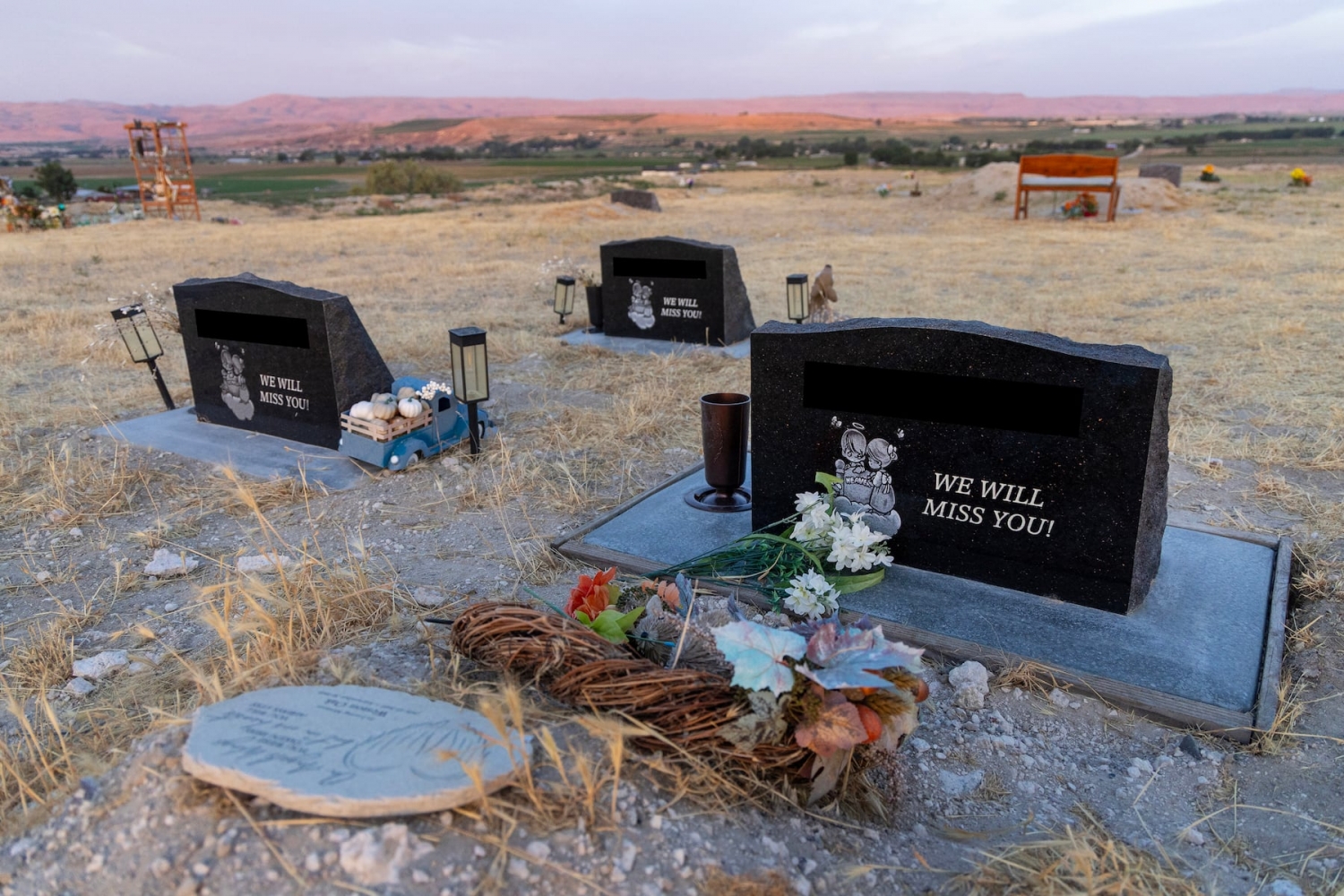
Emma Joyce was sick and vomiting for days until she stopped breathing in her parents arms ...

10/01/2026
President Donald Trump keeps pushing for the development of AI but a new poll showed Amer...

10/01/2026
Produced by OSU Extension monthly gardening guides give reminders of key garden chores suc...
10/01/2026
Two parents are facing charges after a toddler brought a loaded gun to a daycare center in...

Follow

Download Our App


Copyright 2022 © EPUERTO. All Rights Reserved