

Published on: 06/02/2026
This news was posted by Oregon Today News


Description
Developers are thinking about building a new transmission line to help meet the Northwest’s energy needs. However, this one would be different from what you’re imagining.

This high-voltage transmission line would run under the Columbia River.
Developers said the region urgently needs new transmission. There aren’t enough ways to get energy from eastern Washington and Oregon to more populated areas on the west, they said. Above-ground transmission lines pose challenges, like vulnerabilities to extreme weather and wildfires.
“ Despite the potential for large-scale wind and solar east of the Cascades, much more east-west transmission to reach western load centers would be needed before most of these resources could successfully be built,” said Chris Hocker, with Cascade Renewable Transmission. The company is made up of a group of private companies that came together to build the transmission line.
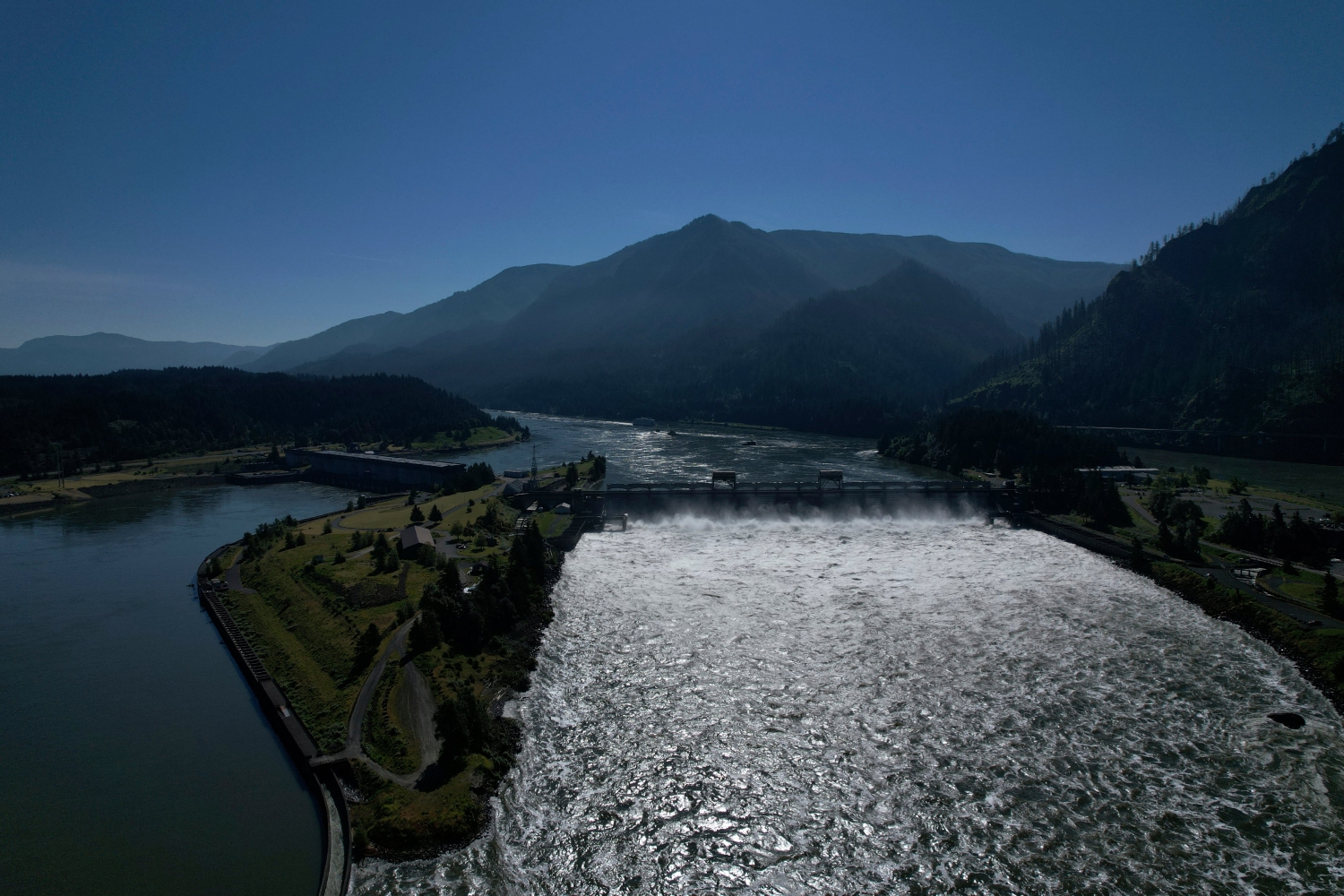
So, the developers are proposing a 100-mile transmission line that would be buried underwater. It would start in The Dalles, Oregon, and end up in Portland. Part of the line would move out of the river to bypass the Bonneville Dam in Skamania County, Washington.
The project is in the early stages of an environmental review from the Washington State Energy Facility Site Evaluation Council, or EFSEC. The council held a public hearing on Wednesday. Public comments close at 11:59 p.m. on June 1.
No one provided any public comments at the Wednesday hearing.
Developers have worked on similar projects in the U.S., Hocker said, including two smaller underwater transmission lines in New York, New Jersey and the San Francisco Bay. This sort of transmission has been built for 40 years all over the world, according to the developers.
Construction would work like this: A hydroplow would dig a 24-inch underground trench using water jets. At the same time, a vessel on the water surface would pull the hydroplow along, as it lowered the bundle of transmission cables into the trench. The cables would be buried at least 10 feet below the riverbed. Finally, the trenches would be backfilled.
Developers estimate the entire project to cost $1.6 billion.
Installation would take place during the winter to avoid salmon migration, Hocker said. The construction is expected to be completed over two winters.
Developers said they plan to keep the cable installation away from the shoreline and fishing sites. They said they expect effects to recreational or other river activities to be temporary.
Project concerns
However, the project has kicked up detractors in Washington and Oregon.
The trenching process caused concern for river advocates and Northwest tribes. For one thing, it could unearth historic burial grounds, said Elaine Harvey, a member of the Yakama Nation and watershed department manager with the Columbia River Inter-Tribal Fish Commission.
“My people are from the Columbia River, and the potential impacts that my ancestors will be uplifted during the trenching of this potential cable in the river, it’ll be very hurtful to see our ancestors unburied,” Harvey said during a webinar opposing the transmission line.
For its part, EFSEC will look at these sorts of concerns as it continues its environmental review, said Trevin Taylor, a State Environmental Policy Act specialist with the council.
“ Cultural resources will be a major factor going into this,” Taylor said at the Wednesday public hearing.
Disturbing the riverbed could cause problems for bottom-dwelling fish, like lamprey or sturgeon, Harvey said.
Fish advocates also raised concerns that the bundle of two transmission cables, which would be about a foot in diameter, could raise river temperatures. Even a slight increase in temperature could be detrimental to migrating fish, especially in the summer, said Teryn Yazdani, a staff attorney with Columbia Riverkeeper, an environmental nonprofit.
“ This is an already overburdened river system, and we’re very concerned with how this will add to impacts to water quality and fish,” Yazdani said.
In addition, Yazdani said she worried the transmission line could kick up sediments before and after the project’s completion. She also worried about churning up harmful chemicals from things like farming and other industrial activities. These chemicals don’t dissolve in the water, which means they’ve sunk into the riverbed, Yazdani said.
“So when that sediment is kicked up again through a large project like this, there are a lot of concerns for what that means for both public health and the environment,” she said.
Developers said most of the sediment is expected to settle back into the trench as the hydroplow moves along.
The project still needs to receive a lot of approvals and permits from federal, state and local agencies. If it gets the go-ahead, developers estimated the trenches could be dug at about 1.5 miles per day. They said the project could be completed in 36 months, four to six of which would be river installation.
Developers aim to have the transmission lines completed in 2028.
Courtney Flatt is a reporter with Northwest Public Broadcasting. This story comes to you from the Northwest News Network, a collaboration between public media organizations in Oregon and Washington.
It is part of OPB’s broader effort to ensure that everyone in our region has access to quality journalism that informs, entertains and enriches their lives. To learn more, visit our journalism partnerships page.
News Source : https://www.opb.org/article/2026/06/02/columbia-river-environment-transmission-line-energy/
Other Related News

06/13/2026
WHATTemperatures 83 to 87 degrees F expected WHERESouth Washington and North and Central...
06/13/2026
The sheriff said it was Keith Hunter Jesperson who is serving multiple life sentences with...
06/13/2026
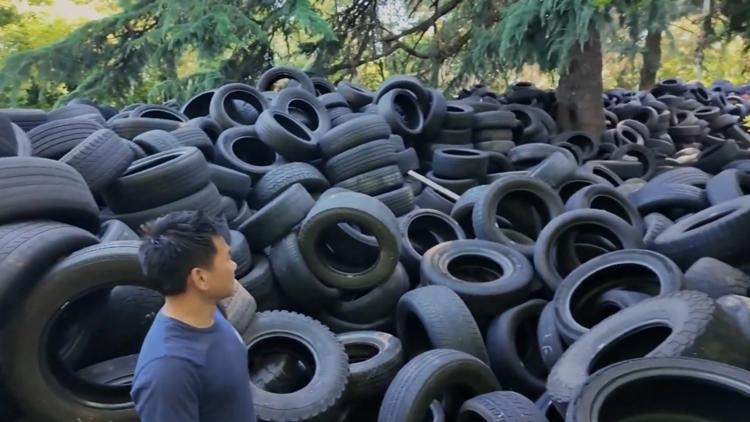
Authorities are investigating whos responsible for dumping the estimated 75000 tires part ...
06/13/2026
There is still time to add a hot tub before the heart of summer arrives and one option cur...
06/13/2026
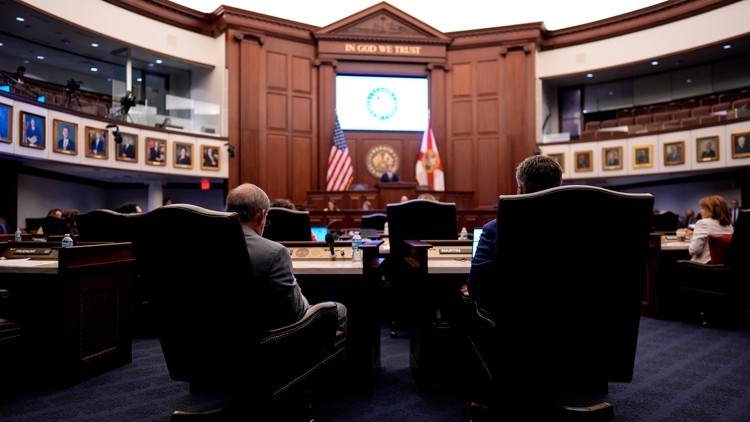
The Florida Supreme Court has allowed the use of a new US House map drawn by Republicans i...

Follow

Download Our App


Copyright 2022 © EPUERTO. All Rights Reserved