

Published on: 09/21/2026
This news was posted by Oregon Today News


Description
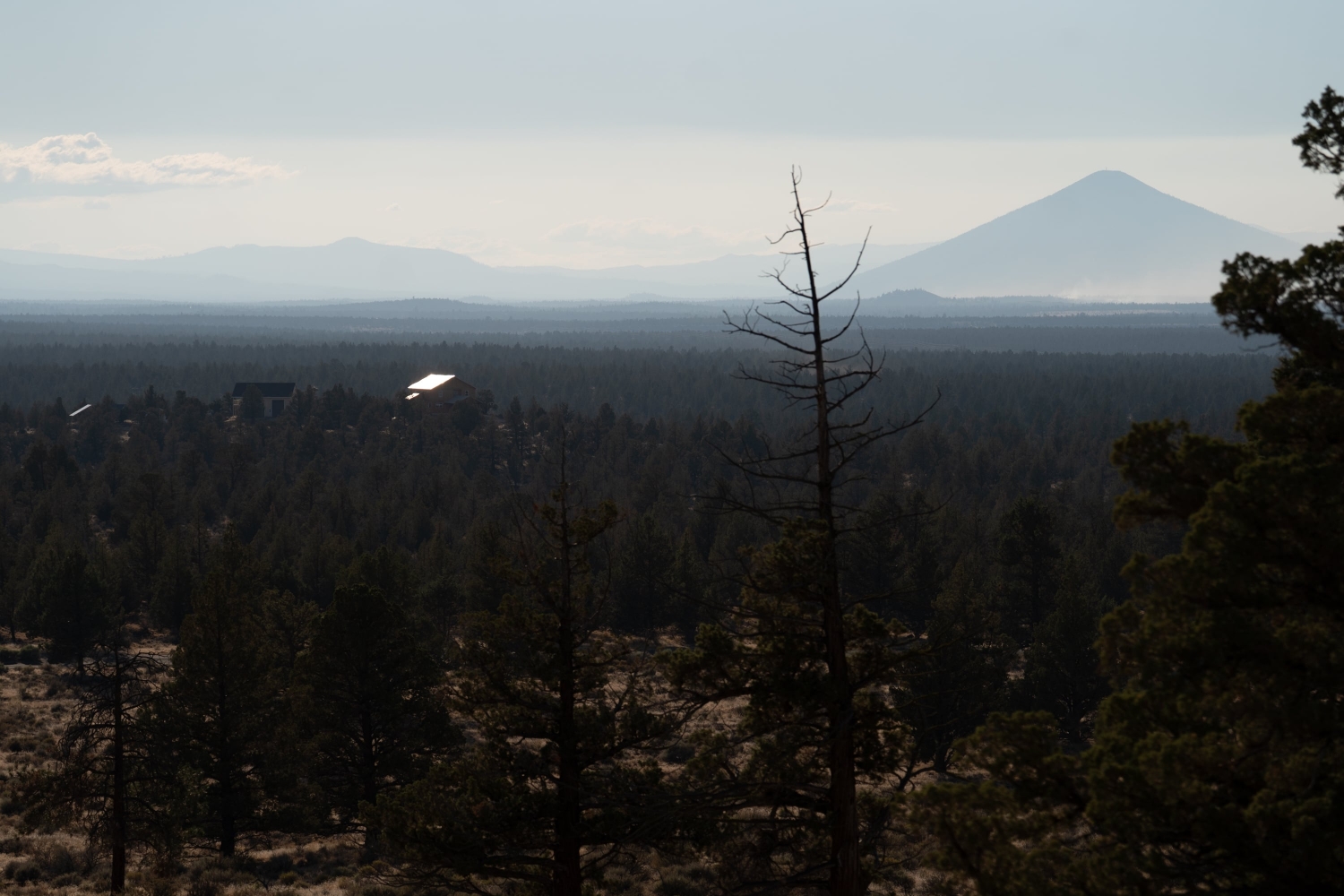
The Trump administration is seeking to fast-track logging in forests recently burned by wildfires in a policy shift that’s starting with Central Oregon.
The U.S. Forest Service aims to log about 5,000 acres in the Deschutes National Forest where the Akawa Butte Fire burned this summer.
The agency gave tribes, counties and the public just one week to weigh in, with a deadline of just before midnight Monday. Similar projects typically include a 30-day public comment period.

The proposal to log the Akawa Butte Fire burn area relies on a new policy that allows the Forest Service to fast-track logging recently burned forests. Forest Service officials say they need to act quickly to remove dead and dying trees that could become fire fuel later on.
“We live in a fire-prone landscape here in Central Oregon; more fires will occur in this area in the future,” said Kaitlyn Webb, Deschutes National Forest spokesperson. “Removing dead and dying trees within the Akawa Butte Fire area reduces wildfire risk to adjacent communities and makes it safer for firefighters to respond to future wildfires.”
Environmental groups say the Forest Service is rushing a sensitive process.
Logging recently burned areas is controversial. Many of Oregon’s native plants and animals depend on wildfire. Logging projects could interrupt their natural recovery, or remove dead and dying trees that wildlife need for food and shelter.
“This project may be the first of many where we see excessive logging on public lands after a fire with near-zero public process,” said Erik Fernandez, wilderness program manager at Oregon Wild.
The Forest Service project includes logging about 37 miles of roadsides with no snag retention requirements, meaning loggers wouldn’t need to leave any dead, standing trees behind. The area amounts to about 1,340 acres.
It also allows commercial logging of about 3,580 acres where few snags would be left behind. Loggers would need to leave at least three to four snags per acre.
“From an ecological perspective, that’s functionally a clear-cut,” Fernandez said. “Because they’ll be very exposed, they won’t have any other trees around them. Those snags will likely fall over.”
Earlier this year, the Forest Service under President Donald Trump published a blanket environmental assessment of logging’s effects on national forests after wildfires. The agency typically conducts an environmental assessment for individual timber sales, so agency biologists can assess a forest’s unique burn severity, vegetation and wildfire habitat needs ahead of a logging project.
Timber groups have largely supported the new post-wildfire logging policy, saying it allows loggers to salvage timber before it degrades.
“There is a limited window to address hazards, recover usable timber where appropriate and begin restoring and replanting burned forests,” said Nick Smith, spokesperson with the American Forest Resource Council. “We support using the analysis and resource work that has already been completed, listening to the community, and moving forward without unnecessary delay.”
News Source : https://www.opb.org/article/2026/09/21/forest-service-proposes-to-fast-track-logging-central-oregon-wildfire-area/
Other Related News

09/21/2026
The Polymarket code OREGON is live for Giants vs Rams on Monday Night Football with the ga...

09/21/2026
New DHM Research poll shows Oregons governor race in toss-up territory Christine Drazan le...

09/21/2026
The Voice is back for its milestone 30th season and the new season kicks off with a specia...
09/21/2026
Oregons business registry requires no address verification letting fraudsters register fak...

09/21/2026
Carhartts new fall and winter collection is here with jackets vests sweatshirts flannels l...

Follow

Download Our App


Copyright 2022 © EPUERTO. All Rights Reserved