

Published on: 03/20/2026
This news was posted by Oregon Today News


Description

A lawsuit filed by Clark County Councilor Michelle Belkot claiming her constitutional rights were violated by other members of the county council was dismissed Wednesday.
In the decision, a federal judge ruled in favor of Clark County, dismissing all four claims in the case.
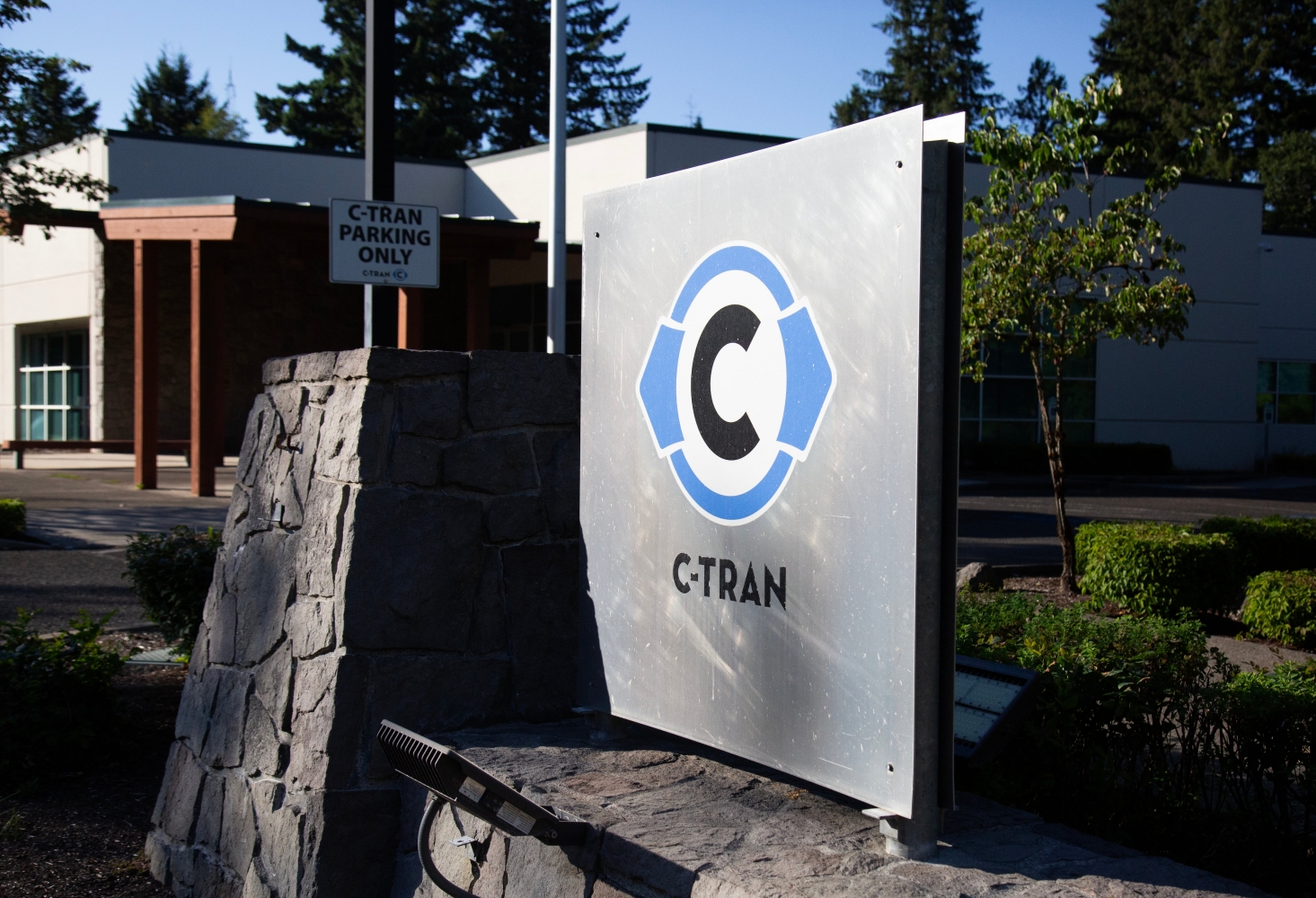
The case stems from a March 2025 incident when Belkot was voted off of the C-TRAN board for voting against the wishes of the rest of the council. C-TRAN delegates a specific number of spaces on its board to Clark County council, Vancouver city council and other local officials.
The Clark County transportation board was deciding whether to keep the option open of paying for operations and maintenance costs associated with light rail service on the Interstate Bridge Replacement Program between Washington and Oregon.
Debate over representation on Clark County transit board reaches possible resolution
In the year since the case began, it has come to represent debates in Clark County about how much of a voice smaller cities and rural areas should get on regional issues when the majority population is concentrated in the city of Vancouver, especially when it comes to controversial topics like building mass transit on the Interstate Bridge Replacement.
Neither Councilor Belkot nor her attorneys could be reached for comment Friday morning. Clark County Councilor Wil Fuentes, who was named in the case after taking over Belkot’s seat on the C-TRAN board, was also not reachable for comment.
In the case, Belkot argued that she could vote separately from the wishes of the overall council and oppose light rail funding. She said as the representative for District 2, an exurban region north of the city of Vancouver, she was a spokesperson for her constituents, some of whom don’t want light rail on the new bridge.
As defendant, Clark County disagreed. Its attorneys argued that as an appointed member of the nine-person transit board, Belkot needed to represent the overall wishes of the county council, the rest of whom support providing funding for light rail.
Interstate Bridge cost soars 140%, adding billions to project estimate
As the case slowly played out in court, a parallel debate has taken place on the C-TRAN board about how many board representatives each city within Clark County should have. Representatives from smaller cities like Camas, La Center and Ridgefield have frequently argued they won’t get the benefit of light rail service but will have to pay taxes to maintain it.
In the case, Belkot’s attorneys argued that the councilor’s removal violated her First and 14th Amendment rights, the Clark County Charter and Washington state’s open meetings rules. But U.S. District Court Judge Tiffany Cartwright’s dismissal of all four counts was a clear rebuke to the plaintiffs.
Cartwright found that Belkot’s C-TRAN vote was not protected speech under the First Amendment. Citing case law, the court transcript says that the First Amendment “doesn’t shield public figures from the give-and-take of the political process.”
The judge rejected the Equal Protection argument under the 14th Amendment because Belkot was appointed to the C-TRAN board. The court argued that the “one person, one vote” clause would be relevant if a public official was elected by voters, rather than appointed as is the case with members of the C-TRAN board.
Washington state transportation officials reject effort to reshape C-TRAN board
An argument that Belkot’s dismissal was a violation of the Clark County Charter, was thrown out because county statute states that C-TRAN board members serve “at the council’s pleasure” and they can be removed at any time without violating the charter.
The final claim argued that Washington’s open meeting laws had been violated when public notice was not given to specifically discuss removing Belkot from the C-TRAN board. The councilor’s removal was discussed under the generic “councilor reports” section of the March 12, 2025 council agenda.
Judge Cartwright rejected that claim arguing that statute does not define which specific items must be detailed on a meeting agenda ahead of time.
News Source : https://www.opb.org/article/2026/03/20/ctran-board-lawsuit-clark-county-dismissed/
Other Related News

03/20/2026
Chuck Norris 86 died Thursday morning after a brief hospitalization in the Hawaiian island...
03/20/2026
Old Agness StoreTHURSDAY 31926 So the Libations Departmentwhats that all about At Old Agne...
03/20/2026
Insider of Southern OregonThis week on the Insider Report Nat Hughes from the Oregon South...
03/20/2026
Beacon BroadbandFact Fiber infrastructure can support internet demands for decades unlike ...

Follow

Download Our App


Copyright 2022 © EPUERTO. All Rights Reserved