

Published on: 10/30/2026
This news was posted by Oregon Today News


Description

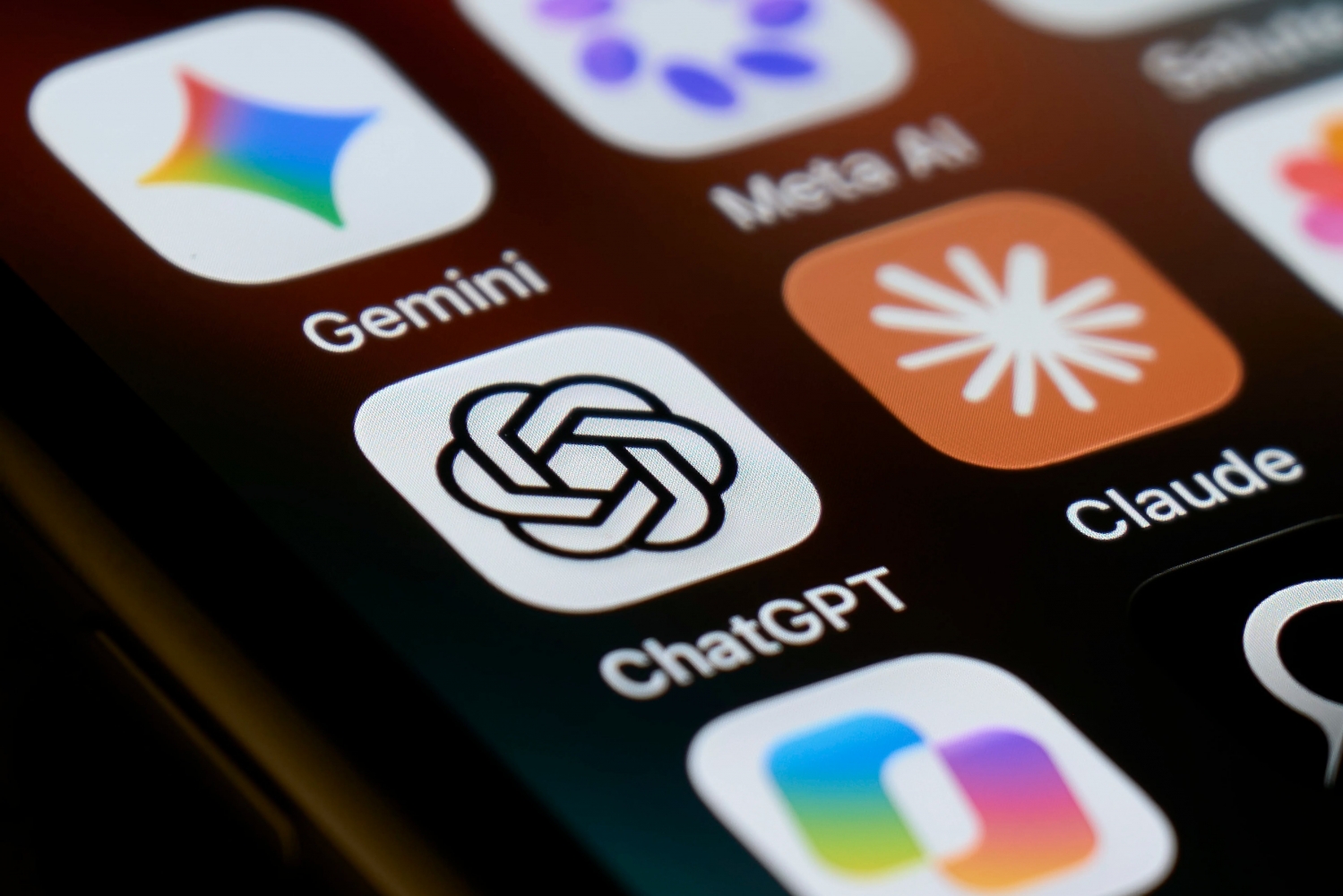
Artificial intelligence chatbots are increasingly becoming a regular part of life for American youth. Two new surveys show that nearly two-thirds of tweens and teens use AI chatbots. While most kids use the technology for help with school work, and for companionship and emotional support, certain uses were linked with worse mental health symptoms.
For stories on the science of healthy living, subscribe to NPR’s Health newsletter.
One survey, done by the online safety advocacy group, Common Sense Media, found that AI use starts early – years before kids hit the minimum age of 13 on most popular chatbots. Nearly half 9-to-12-year-olds have used an AI chatbot or companion. By the time kids are 13 years old, nearly three-quarters of them have used chatbots.
The other survey, done by the mental health advocacy group JED Foundation, found that 90% of the 5,500 9-to-17-year-olds in schools across the country have used an AI chatbot. Nearly two-thirds use it both for schoolwork and as companions, or when they are stressed, lonely, anxious or overwhelmed.
The findings are “remarkable” in showing how dramatically AI use by children and teens has changed in a short time, says developmental psychologist Anne Maheux at the University of North Carolina, Chapel Hill, who wasn’t involved in the surveys.
“It seems like just a few years ago, no one was using” the technology, she says. “And now it seems like roughly the same number of kids using it for homework are using it to get emotional support or help with coping.”
“I use it to make myself practice sample questions – sample test questions that I will answer with my own work,” says 15-year-old Arjun Sharda, in Round Rock, Texas. “I use it to understand concepts outside of the classroom.”
He uses both OpenAI’s ChatGPT and Google’s Gemini, he says, although he prefers the latter lately.
In Raynham, Mass., McKenzie Craig, 17, has been using chatbots since she was in eighth grade. “I use it typically if I’m overwhelmed with a bunch of tasks I have,” she says. “I’ll have it help me prioritize the tasks.”
She also uses it for help with assignments. “If I write an essay, I’ll run it through either Grammarly or ChatGPT and have it graded, so to speak,” says Craig. “It gives me feedback, and then I can edit accordingly.”
Sharda says he and his friends also turn to chatbots when they are stressed and anxious.
“With tests, for example,” he says, “I was so scared of failing one of my first chemistry tests on conversions and moles that I kept asking ChatGPT ‘Will I be OK? Will my GPA still be fine?’”
Some chatbot uses are linked to worse mental health
Researchers at the JED Foundation also surveyed students on symptoms of overall well-being and mental health.
“We were able to look at how young people are using AI and then how that correlates separately with indicators of well-being, history of suicidal ideation and attempts, and poor mental health,” says psychologist Kayla Anderson, vice president of research and evaluation at the JED Foundation.
“When young people are using AI, when they’re in emotional distress,” she adds, “they’re more likely to report poor mental health and well-being outcomes.” They also report a greater history of suicidal thoughts and attempts.
But the data don’t suggest a causal link, cautions Anderson.
“It’s unclear, based on these data, whether AI use is contributing to poor mental health and well-being, or whether students who are already in distress in certain ways are more likely to turn to AI,” she explains.
But preliminary data collected by other researchers suggests that the link between chatbots and poorer mental health symptoms in young people might go both ways, says Maheux.
“So kids who do have worse mental health are seeking out AI to help them,” she says. “But that AI use may be exacerbating those mental health challenges instead of helping.”
In a soon-to-be-published study of middle schoolers in one state, Maheux and her colleagues at UNC found that students who use chatbots for companionship grew lonelier over time.
They found similar results in another study of young adults. “We see that people who are using AI more for companionship or feeling like they’re overreliant on AI to solve various emotional or cognitive problems, are developing worse mental health over time.”
One potential explanation for this effect, she says, is that AI is easing people’s emotional distress — loneliness, anxiety, stress — in the immediate moment, but that reliance on the technology is preventing young people from developing the skills to tolerate and navigate normal daily stresses.
That, she explains, “can lead to worse mental health.”
News Source : https://www.opb.org/article/2026/10/30/new-research-looks-at-teen-mental-health-and-ai-chatbot-use/
Other Related News

10/30/2026
The Lullaby Project was created more than a decade ago by the Carnegie Halls Weill Music I...
10/30/2026
Heres which states voters have the most say in shifting the balance of power in the Senate...
10/30/2026
An ICE officer accused of intentionally ramming his car into a Mexican construction worker...
10/30/2026
Thousands of military veterans with VA-backed mortgages have been hit with higher interest...

Follow

Download Our App


Copyright 2022 © EPUERTO. All Rights Reserved