

Published on: 09/17/2026
This news was posted by Oregon Today News


Description
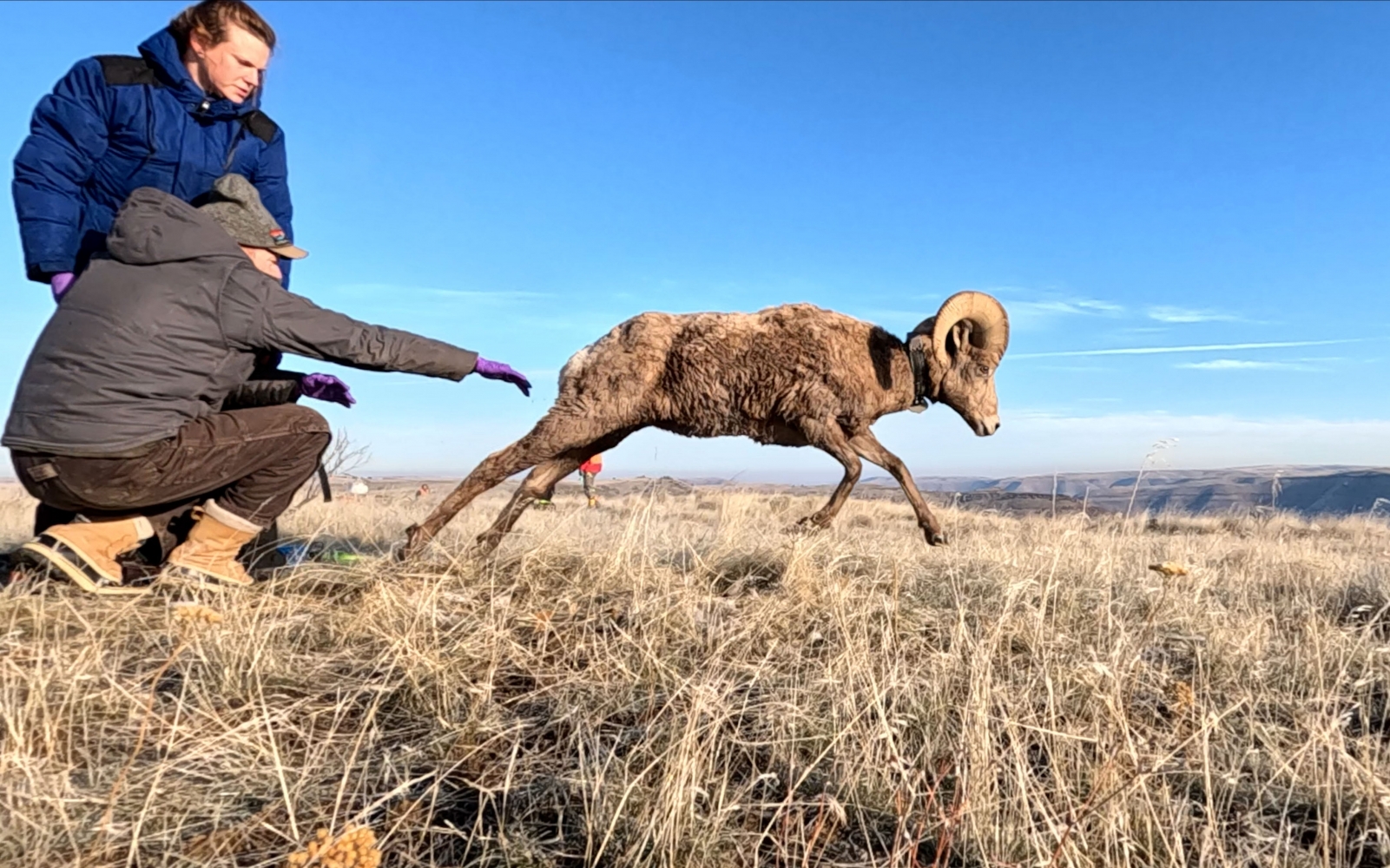
Oregon’s largest bighorn sheep herd is at risk of losing hundreds of sheep to a deadly respiratory outbreak.
Multiple sheep outside The Dalles have tested positive for Mycoplasma ovipneumoniae, called M. ovi for short, beginning in July. It’s a bacterium that can cause fatal pneumonia among bighorn sheep.
While the outbreak could cut the herd’s population in half, it’s not expected to affect livestock or impact the bighorn sheep hunting season. Wildlife officials say M. ovi doesn’t affect meat quality, and it doesn’t pose a risk to people or domestic animals.

Known as the John Day herd, this group of bighorns is the largest in Oregon.
“It peaked in 2025 with an estimated 1,200 individuals and is currently estimated around a thousand individuals with this recent outbreak,” said Trent Gianella, assistant wildlife biologist with the Oregon Department of Fish and Wildlife. “We expect that to continue to decline.”
Gianella said the herd could lose between 50-80% of its sheep, depending on the strength of this particular M. ovi strain, or whether the herd is stressed by environmental conditions like drought.
“We have really high-quality habitat there, and these sheep are in great body condition,” Gianella said. “So hopefully that will result in a less significant die-off.”
Bighorn sheep typically catch M. ovi through nose-to-nose contact with domestic sheep, goats or other livestock, which can be asymptomatic carriers.
Named after their large, curved horns, bighorn sheep are drawn to rocky, steep cliffs and mountains, and to open areas where they can get a broad view of their surroundings. About 5,200 bighorns roam Oregon, mostly east of the Cascades’ mountain peaks.
Bighorn sheep once thrived in Oregon, but overhunting and diseases from domesticated livestock wiped them out of the state by the early 1940s. Wildlife officials started reintroducing bighorns a decade later. Their populations have slowly grown since then.
Oregon herds live in rocky areas in Malheur, Klamath and Deschutes counties, and areas along the John Day and Grande Ronde rivers.
Gianella said wildlife officials work with ranchers to limit interactions between bighorns and livestock.
“We’ve made a lot of progress over the last 50 to 70 years to get sheep back on the landscape across Oregon and throughout the west,” Gianella said.
But pneumonia outbreaks can still happen. Those outbreaks have also hit other Oregon bighorn herds in the past, disrupting their population growth for years. This is the first time wildlife officials have found M. ovi among the John Day herd.

The Oregon Department of Fish and Wildlife monitors bighorn sheep through a partnership with the University of Idaho. Starting three years ago, researchers began monitoring about 100 collared bighorn sheep, though they’re now down to about 60 surviving sheep.
The monitoring system notifies researchers when a collared bighorn hasn’t moved for more than eight hours, an indication that the animal may have died. They’ll conduct necropsies on bighorn sheep and collect samples. That’s how ODFW discovered this recent outbreak.
The John Day herd has grown so much that wildlife officials have issued extra hunting tags in the past to bring its numbers down.
If a herd gets too large, bighorns are more likely to venture outside their typical stomping grounds, where they might run into domestic sheep or goats and catch illnesses.
Despite the damage this outbreak could wreak, Oregon is moving ahead with bighorn sheep hunting season starting Sept. 21. Wildlife officials are planning to mail nasal swabs to hunters so they can test their bighorn sheep catches for illnesses while in the field.
Hunters are also required to visit an ODFW office after hunting a bighorn. Staff will run additional tests at those offices.
News Source : https://www.opb.org/article/2026/09/17/oregon-bighorn-sheep-herd-deadly-respiratory-illness/
Other Related News

09/17/2026
The country music legend concluded the pre-recorded acceptance speech with just know that ...
09/17/2026
Details about the crash are limited at this time
09/17/2026
A UK zoo just made a scary mistake
09/17/2026
Kaydin Ruiz 14 recently started high school after a 117-day hospital stay and losing three...

09/17/2026
Dear Doctor Roach Im an active 76-year-old retired accountant who likely spent too many ho...

Follow

Download Our App


Copyright 2022 © EPUERTO. All Rights Reserved