

Published on: 03/05/2026
This news was posted by Oregon Today News


Description
The Oregon Employment Department plans to incorporate artificial intelligence tools as part of its move away from outdated processes and technology that often frustrate staff and confuse customers.
Adopting basic AI technology was one of the key items department leaders identified in an action plan ordered by Gov. Tina Kotek last July.
OED leaders plan to use AI to create a database for staff, to send automated messages for callers on hold with the agency, and to automatically update the status of a customer’s claim. The agency will also use AI in customer-facing ways, such as a generative chatbot to answer common questions.
Agency officials hope the technology will help shorten phone wait times and free up staff to focus on more complicated customer needs.
Oregonians often access OED services when looking for a new job, seeking unemployment insurance after losing a job, or when in need of paid time off for medical or personal safety reasons. In the past, antiquated technology along with too few customer service staff at the department have left customers with more questions than answers and sometimes waiting much longer than necessary for benefits.
Department leaders have said the pandemic recession — when a flood of unemployed Oregonians overwhelmed the system — especially highlighted the need for more efficient systems.
OED Director Andrew Stolfi hopes adopting simple AI tools will help alleviate some of the issues that have plagued the agency in the past.
“What we’re trying to do is find some tools that’ll allow our staff to do their jobs quicker and better, so that they can help more people,” Stolfi told OPB. “We’ve got a ways to go to hit all of our customer service metrics, and these tools will just help us get there.”
When asked if AI would replace workers at the department, Solfi said no.
“Not a single person at OED should be worried about losing their job.”
Bringing in AI was just one of the 101 recommendations OED published on Thursday in a 106-page action plan for helping the agency better train staff and serve Oregonians.
Stolfi said it’s a long list, but he’ll start with things like simplifying language on all customer-facing pieces of communication — like letters sent out when approving or denying unemployment insurance claims. He’ll also work on implementing tools, like AI, that allow staff to work more efficiently.
Over the last six years, OED has experienced changes at a faster-than-usual pace for a bureaucratic agency.
The onset of the pandemic recession in 2020 forced staff to use an outdated technology system to handle the surge in unemployment insurance claims. It was messy, chaotic and at times left Oregonians without needed benefits. Years later, issues related to over- or underpayment of benefits are still being ironed out.
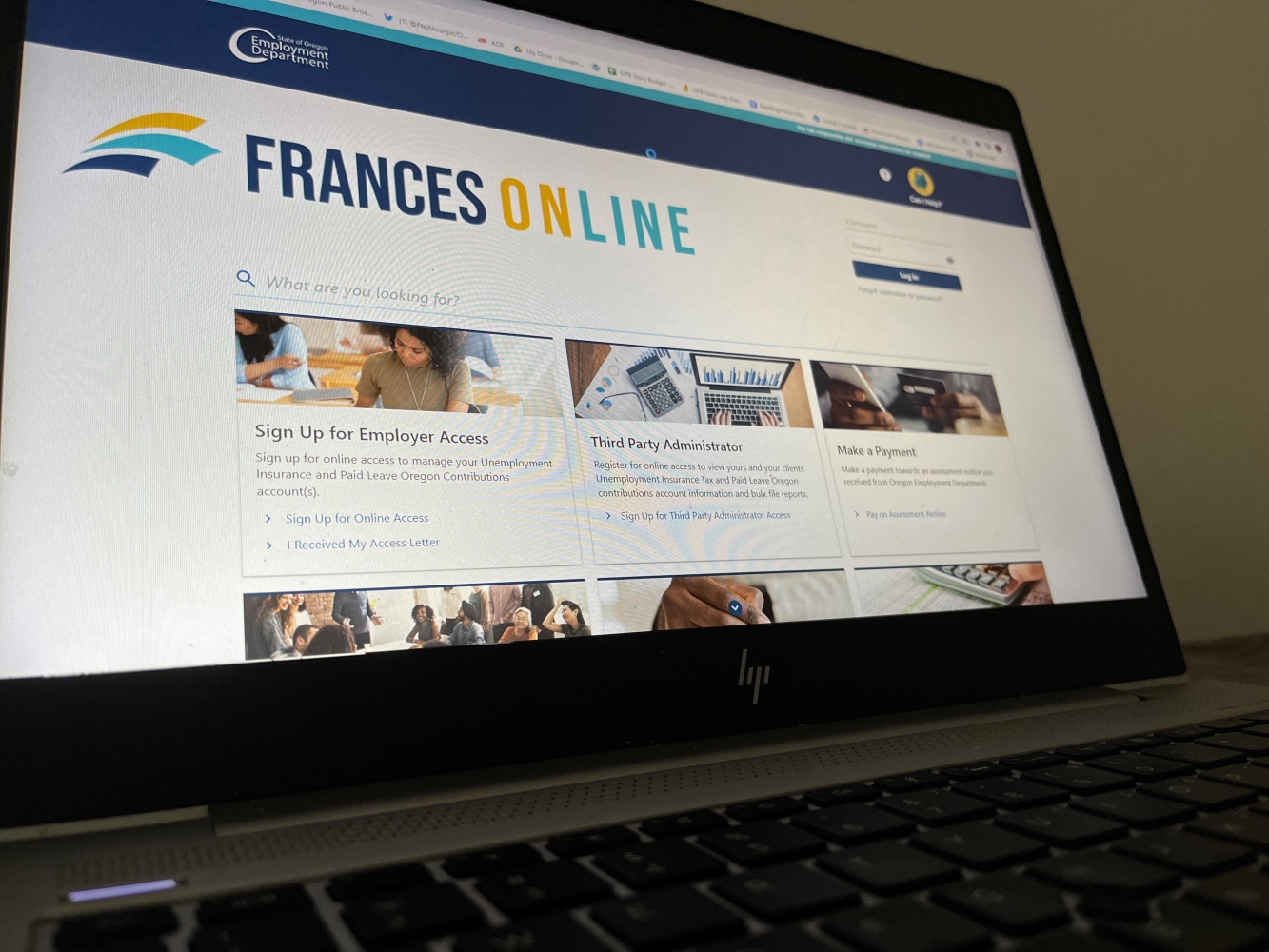
In 2023 the agency shifted to a new technology platform called Frances Online. That same year, OED also started administering and paying out benefits in a new state-mandated program called Paid Leave Oregon.

The rollouts for both Frances and Paid Leave Oregon were, at times, messy. Oregonians seeking benefits and employers both reported issues ranging from challenges reaching OED employees on the phone to help navigate the new online platform, to concerns about fraud, to benefits being denied when applicants made simple errors on hard-to-understand surveys.
Meanwhile, OED is experiencing some of the same challenges faced by employment departments in most states, such as juggling the demands of a growing portfolio of programs. In Oregon, the Employment Department provides resources for job seekers, has a statewide office focused on economic analysis and data collection and has internal administrative staff to help keep it all running.
At the same time, employment departments are tasked with administering unemployment insurance, a federally funded program. Agency leaders have continually pointed out that the unemployment insurance program has become more sophisticated over the years, requiring more staff and updated technology. However, the amount of federal funding flowing to the program has dwindled.
All these challenges caused Kotek to request the action plan. She specifically asked the agency to focus on improving customer service, plotting out the future of Frances Online and helping agency staff do their work more efficiently.
The resulting report, called the Oregon Employment Department’s Customer Service and Workforce Strategies Project Report, met the governor’s expectations.
“Your robust process shows initial buy-in for these recommendations,” Kotek wrote in a letter to Stolfi included in the action plan. “Work can and should begin right away.”
News Source : https://www.opb.org/article/2026/03/05/oregon-employment-department-ai/
Other Related News

03/05/2026
Important notice for USPeruvian citizens in the Middle East If you or a family member are...

03/05/2026
As they blocked a series of congressional tax breaks last month Oregons legislative Democr...

03/05/2026
Each year Oregon school districts look to the state Legislature to help patch funding gaps...

03/05/2026
An Oregon mother has been sentenced in a Butte County child abduction case involving her t...

03/05/2026
Prineville city leaders recently took an opportunity to speak with a newly formed state gr...

Follow

Download Our App


Copyright 2022 © EPUERTO. All Rights Reserved