

Published on: 12/05/2025
This news was posted by Oregon Today News


Description
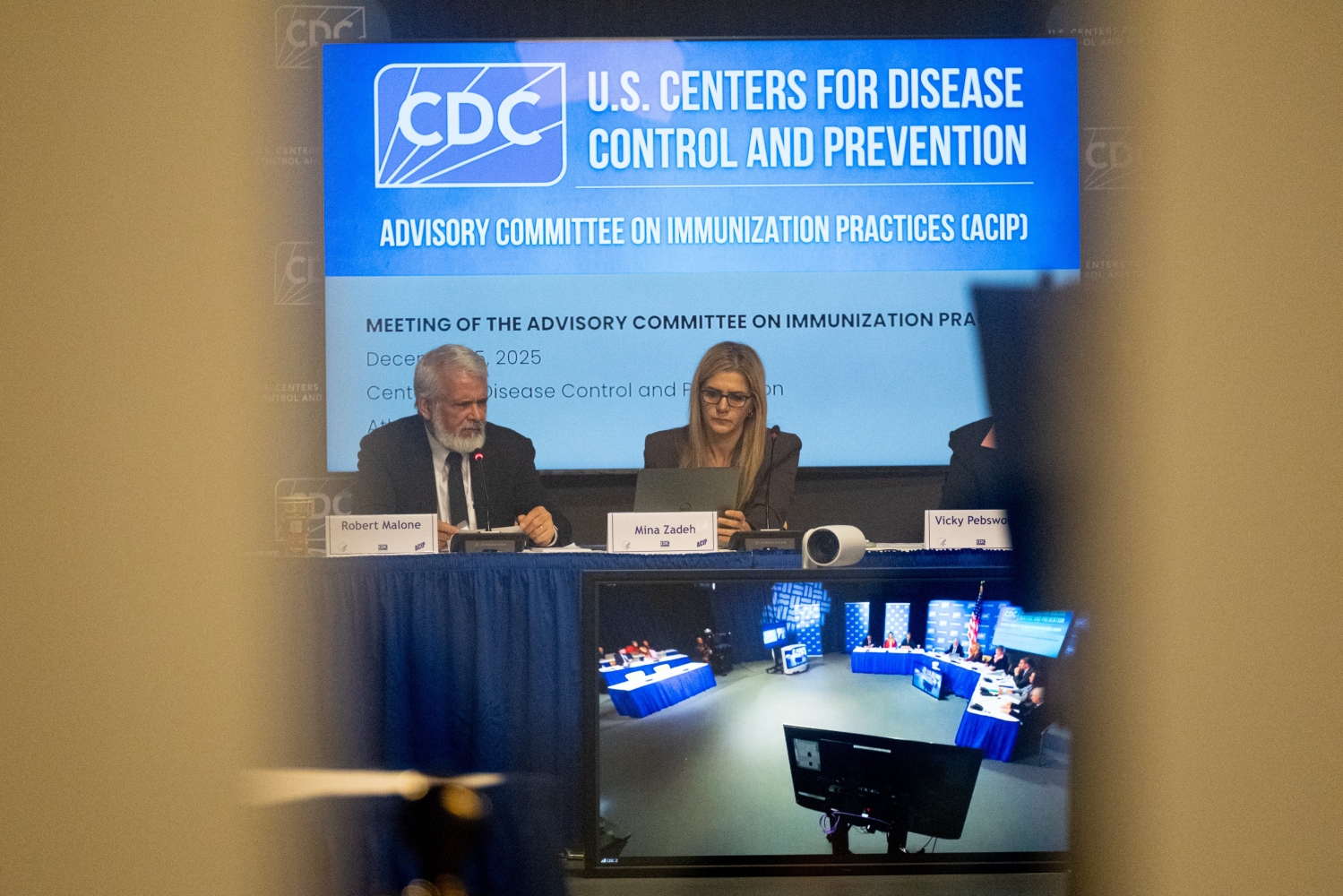
The Centers for Disease Control and Prevention’s Advisory Committee on Immunization Practices voted Friday morning to stop recommending hepatitis B vaccines for all newborns.
The decision upends decades of precedent. Since 1991, the CDC has recommended that all newborns receive a dose of the vaccine within 24 hours of birth to protect against the viral infection, which can cause severe liver damage.
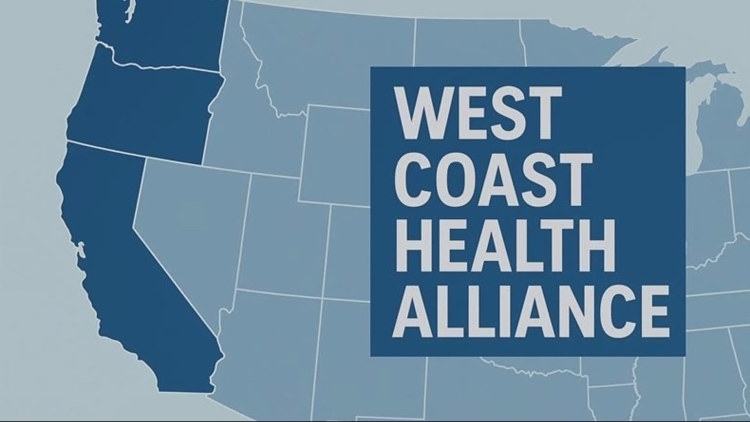
The West Coast Health Alliance, which includes Oregon, Washington, California and Hawaii, disagreed with the committee’s decision and instead continued to recommend hepatitis B immunization for all newborns. The alliance also warned that delaying a birth dose of the vaccine will lead to more children and adults developing liver disease and liver cancer with “no evidence of a safety benefit.”
Under the new guidelines, the vaccine would only be recommended for infants whose mothers test positive for hepatitis B or, possibly, whose status is unknown. The advisory committee’s decision needs to be approved by the CDC’s acting director for it to take effect.

The change comes after Health and Human Services Secretary Robert F. Kennedy Jr. fired all sitting committee members in June and replaced them with some who are vaccine skeptics.
A group of researchers conducted a modeling study to assess the impacts of delaying the hepatitis B vaccine for newborns. The study, which has not yet been peer-reviewed, found that delaying the vaccine by even two months could lead to more than 1,400 preventable hepatitis B infections and more than $222 million in additional health care costs.
Eric Hall, an assistant professor of epidemiology in the OHSU-PSU School of Public Health, led the study. He recently joined Dave Miller of OPB’s “Think Out Loud” to talk about what the changes could mean for hepatitis B infection rates in the U.S.
US vaccine advisers say not all babies need a hepatitis B shot at birth
Here are excerpts from that conversation, edited for length and clarity:
How effective have infant hepatitis B vaccinations been?
Since 1991 up until now, there’s been a 99% decrease in the number of infections that occur among children.
That has primarily been driven by a lot of our prevention efforts over the past three, four decades. … The key cornerstone to that has been the infant vaccination program here in the United States. That has really driven down the number of infections that we see, not only among children, but among all people as those children grow into adults.
What changes did the committee vote to make?
All of the language that they voted on [Friday] was centered around changing the recommendation for infants born to birth parents who have tested negative for hepatitis B.
In the meeting, they declared that they are not going to change any recommendations around infants born to birth parents who have tested positive for hepatitis B. But it was unclear what will happen to the existing recommendation for infants born to birth parents whose hepatitis B status is unknown.
It’s estimated up to one in five infants are born in a situation in which we don’t know the birth parents’ status. So this is a very significant group, and the way we design our public health strategies to make sure we take care of the infants born in this group is important.

How are these recommendations used?
The recommendations that come from the Advisory Committee on Immunization Practices historically, essentially, serve as our federal policies around vaccination. … Different states have different laws and statutes that are tied, or could potentially be tied, to these federal recommendations.
Those policies can range from everything to what vaccines are covered, either by insurance or by different types of public funding. They can determine who is allowed to administer a vaccine … and it can determine a variety of other things, like school requirements.
Washington, other West Coast states, go against CDC, recommend hepatitis B vaccine for all newborns
What could the committee change next?
That’s a tough question, because I don’t think many of us in the public health community thought six or eight months ago they would be looking at changing the infant hepatitis B vaccination schedule. This has been a great public health success.
There has been no new evidence to arise that would indicate there’s any type of risk around hepatitis B vaccination for infants. … With that in mind, I’m not entirely sure what’s next.
You can listen to the full conversation with epidemiology professor Eric Hall here:
News Source : https://www.opb.org/article/2025/12/05/cdc-panel-hepatitis-b-vaccine/
Other Related News
12/05/2025
The bloc of Oregon Washington California and Hawaii pushed back against the RFK-led CDCs l...

12/05/2025
Hours after deleting the first video the White House posted a new one featuring edited foo...

12/05/2025
Officer Loban hits the streets responding to a stolen car left abandoned a traffic safety ...

12/05/2025
The defending state quarterfinalist DeSoto Eagles 10-3 and Willis Wildkats 11-2 will clash...

12/05/2025
On Friday the Oregon Department of Human Services said its issuing SNAP benefits on its no...

Follow

Download Our App


Copyright 2022 © EPUERTO. All Rights Reserved