

Published on: 12/06/2025
This news was posted by Oregon Today News


Description

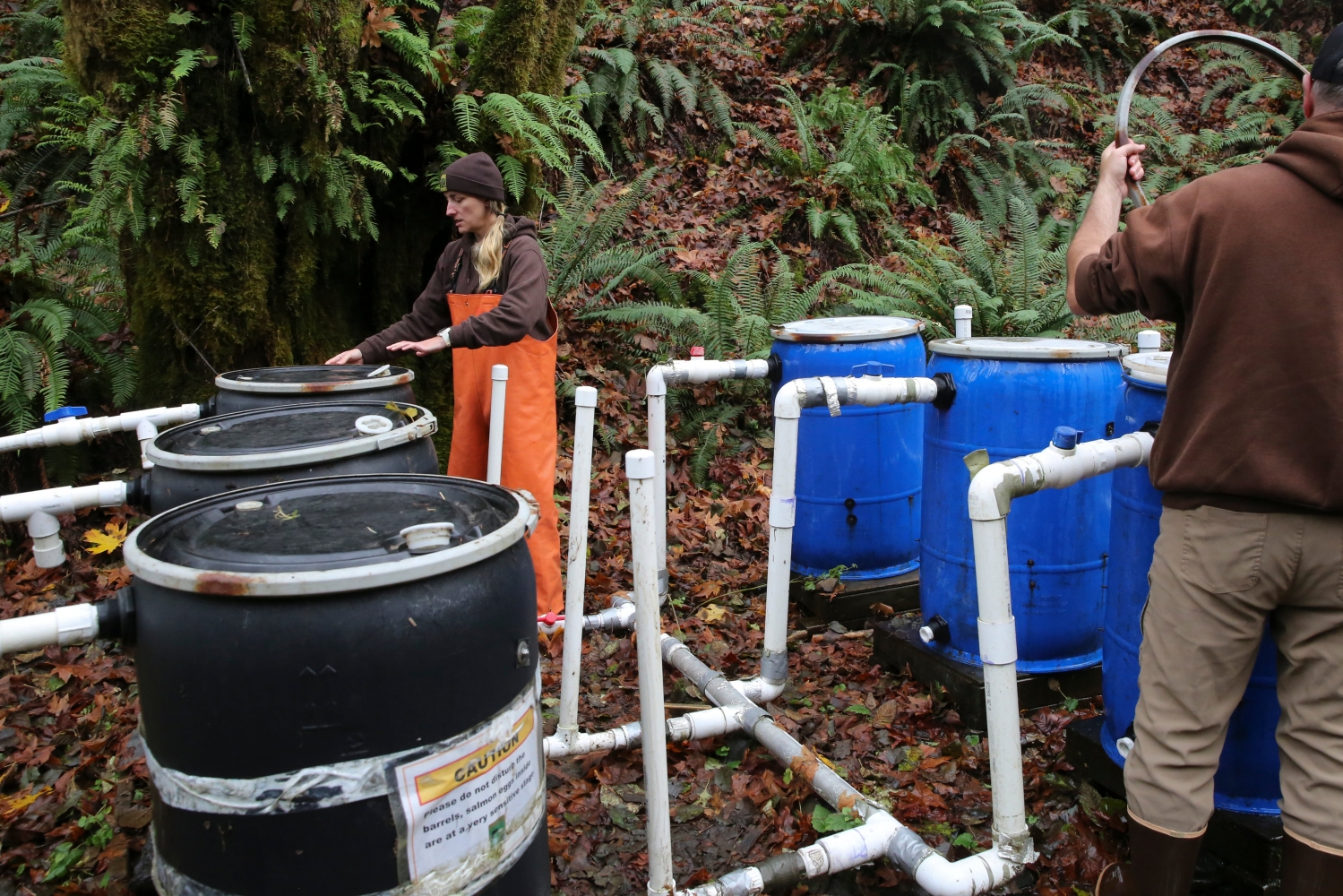
On a tributary of the Clatskanie River, near Astoria, the Oregon Department of Fish and Wildlife has set up a “hatchbox.”
It’s basically a six large barrels: three that filter the stream water and three that carry trays of salmon eggs so the water can flow over them.
Tom Stahl, with the Oregon Department of Fish and Wildlife, said hatchboxes can be useful tools in the attempt to restore salmon to local waterways.
When salmon eggs in the barrels turn into tiny fish, usually around January, they’ll be swept into the stream. Essentially, the hatchbox protects the eggs from predators while they grow. Hatchboxes can also be used to bring fish eggs from other locations and introduce them into a new stream.
Older Oregonians may remember hatchboxes from school, where they were used to illustrate the salmon’s lifecycle. But over the years hatchboxes have fallen out of favor, largely because the fish they release compete with wild salmon.

But Stahl said hatchboxes are great for this particular tributary of the Clatskanie River, because it doesn’t already contain wild chum salmon.
“There are no chum,” Stahl said standing over the stream. “We want to reintroduce them. And so this is a cost-effective way to get chum back into this specific area.”
The problem with hatchboxes

Back in the mid-20th century, hatchboxes were everywhere, mainly because they are cheaper and smaller than their big, permanent, modern hatchery cousins that contain rows and rows of concrete tanks.
But hatchboxes have problems. First, many of the fry they produce are very small and therefore less likely to survive in the wild. Fish from modern hatcheries aren’t released until they’re much older and bigger.
Second, fish released from hatchboxes aren’t marked. They don’t have their fins clipped, like modern hatchery fish. That means they can’t be distinguished from wild salmon and therefore can compete directly with wild salmon.
But Brenda Meade, chairman of the local Coquille Tribe, said hatchboxes like the ones along the Clatskanie are a good way to get lots of fry into the river quickly. She said hatchboxes were the natural solution when salmon returns plummeted along the Coquille River, from about 10,000 a year in 2017 to just three brood pairs counted in 2020.
“They (ODFW) were calling it at near extinction levels,” she said. “It was devastating for us. My tribal council walked away with a realization of just how unhealthy our river is”
This year the Oregon Legislature passed Senate Bill 221, which ordered ODFW to encourage new hatchboxes in Coos County specifically. It doesn’t affect the hatchboxes along the Clatskanie, for example.
State Rep. Court Boice sponsored the bill and said healthy fall Chinook returns used to mean plenty of tourists and fish for tribal ceremonies.
“It’s an economic issue. It’s a cultural issue. It is a tribal issue,” Boice said. “It is an educational issue to keep this wonderful natural resource vibrant and robust.”
Bringing back the lost salmon
There are several reasons for the crash in fall Chinook returns, including warming temperatures, low water flows, changing ocean conditions and a lack of good fish habitat.
But perhaps the biggest reason is that a few years ago somebody introduced smallmouth bass into the watershed, presumably to create a new fishery. Smallmouth bass are notorious for eating juvenile salmon, lamprey and other native species.
Meade said as soon as they realized salmon returns were plummeting, the tribe, ODFW and other organizations got to work to bring the salmon back.
First they got a few electric shock boats, which stun the bass so they can be netted out of the river. Stunned salmon are left in the water to swim away. The tribe also holds a fishing derby where bass are tagged so anglers can win prizes of $1,000 or more.
“The kids all go out on the bridges to catch bass and bring them in,” Meade said.
“It’s incredible what this community did to step up.”
A new gate was installed to stop seals from eating salmon as they returned to the big main hatchery. And now hatchboxes will be used to boost numbers.
Meade is not convinced that competition between hatchery salmon and wild salmon is important.
“The Coquille Tribe secured a genetic analysis of these hatchery Chinook two years ago. And it was determined that they are genetically indistinguishable from wild or natural spawning Coquille Chinook,” Meade said.
“If you have been out there with us to collect these fish, you will see those fish have survived four years out in the ocean. They are strong and they’re healthy and they’re coming into the system.”
John Ogen, the natural resources officer of the Coquille Tribe, says new science also shows that the descendants of hatchbox fish adapt well to new waterways.
“Hatchery fish, as their offspring, and then their offspring, naturally repopulate the system,” said Ogen.“They retain the same adaptive capacity as their wild counterparts.”
Adaption means hatchbox fish can adjust to things like new predators and water temperatures. Still, the pros and cons of hatchboxes are likely to divide fish enthusiasts for the foreseeable future.
Hatchboxes along the Coquille
Now that the Legislature has passed Senate Bill 221, Tom Stahl said ODFW will be conducting scientific research on the new hatchboxes.
“The idea is that this is a study to see whether or not it can increase numbers in the Coquille,” he said.

Stahl said groups like the Coquille Tribe and chapters of the Salmon and Trout Enhancement Program are going to propose their own hatchbox solutions, and ODFW will oversee them.
“They will develop a proposal. They’ll see how many hatchboxes they can get, where they want to put them,” he said. “Then they’ll come to us to review that and provide some guidance and make sure that it’s being done in a way where we can see what the results are.”
Those results will take some time, because released fish live out in the ocean for a few years before returning to spawn and be counted.
Stahl isn’t sure how long it’ll be before the hatchboxes get installed along the banks of the Coquille or the Coos River, but he thinks they’ll probably be there by next year.
News Source : https://www.opb.org/article/2025/12/05/oregon-fisheries-salmon-returns-technology/
Other Related News

12/06/2025
The weekend will be warm and wet in the Portland area and itll be a prelude to warmer and...
12/06/2025
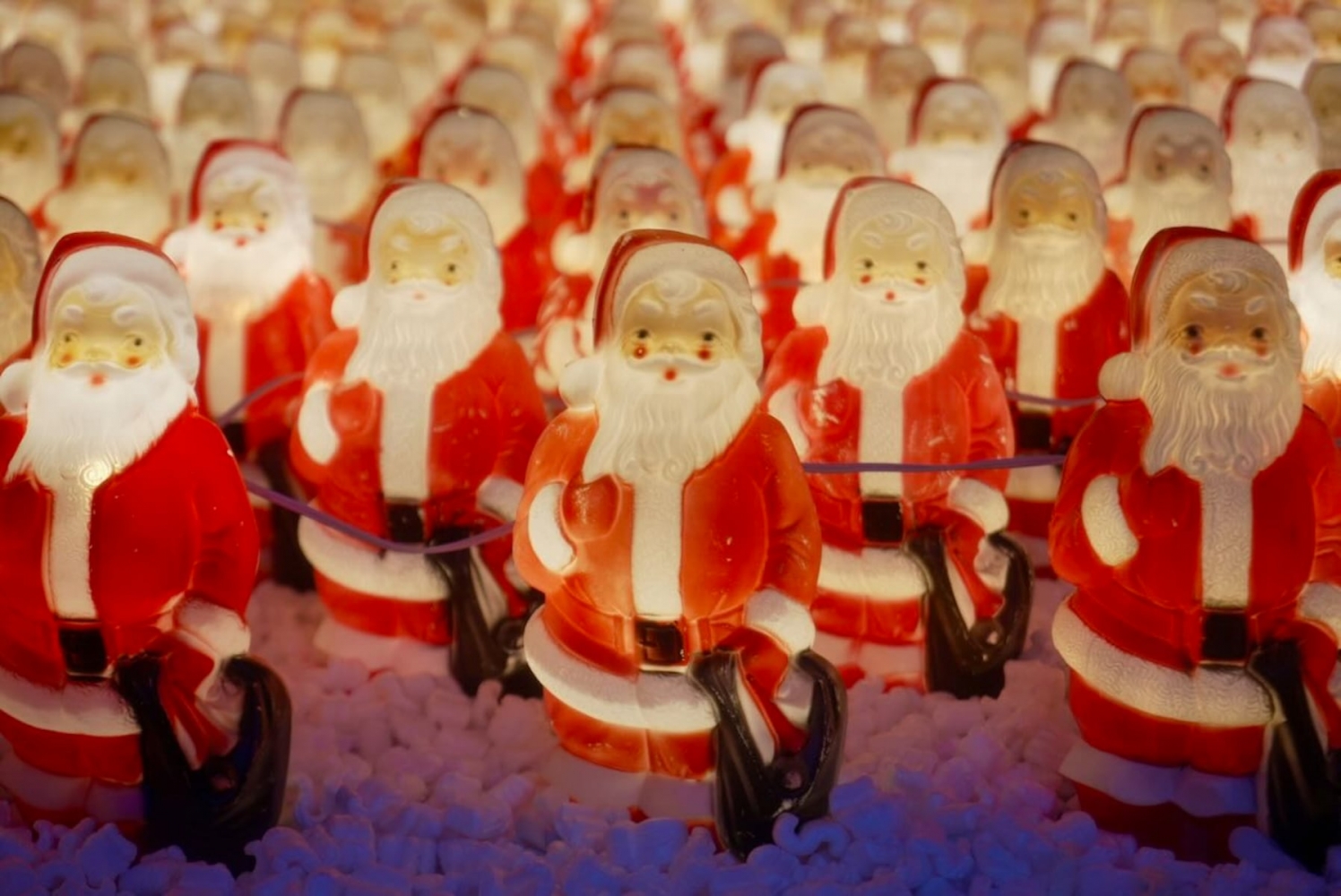
The hunt for Portlands Santa Clones began this week

12/06/2025
Dear Liz My mother recently died at the age of 93 My sisters and I are her beneficiaries a...
12/06/2025
Sports bettors across the Show Me State can officially place their wagers online through t...
12/06/2025
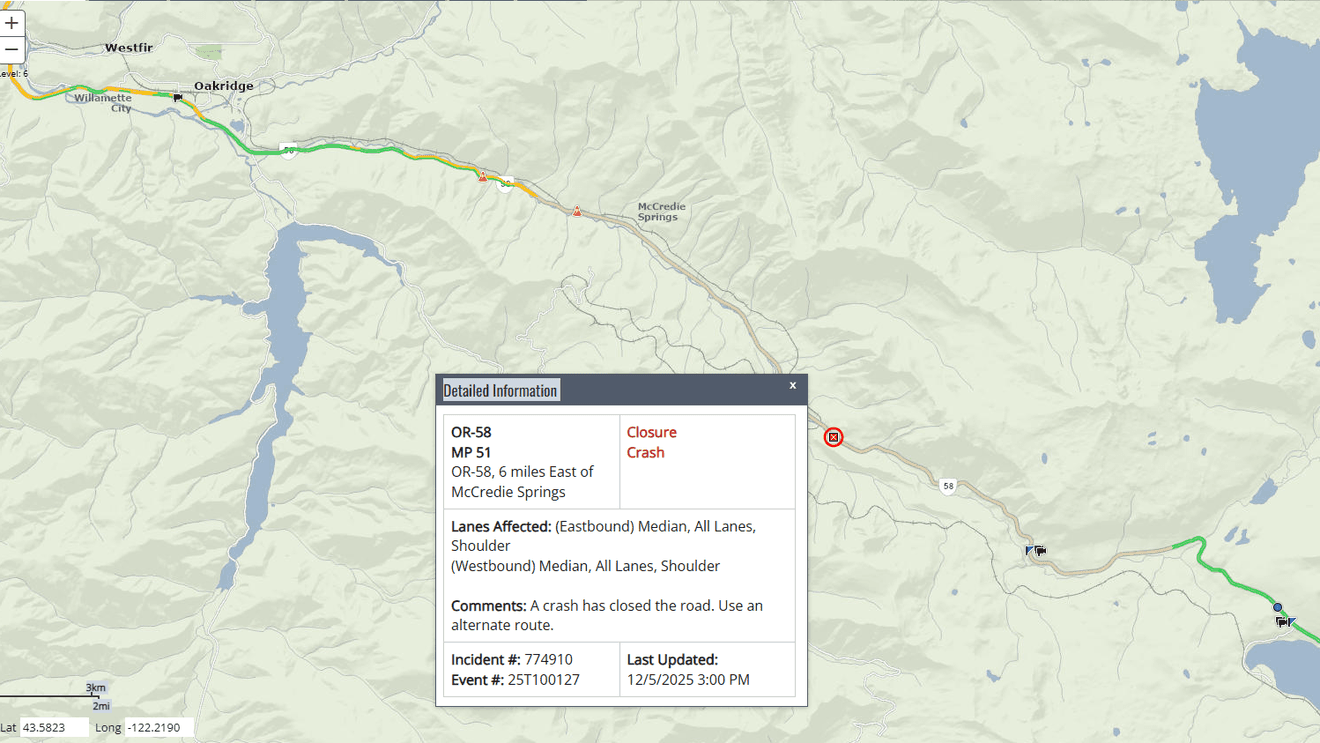
Oregon Highway 58 is closed 6 miles east of McCredie Springs at milepost 51 due to a crash...

Follow

Download Our App


Copyright 2022 © EPUERTO. All Rights Reserved