

Published on: 01/02/2026
This news was posted by Oregon Today News


Description

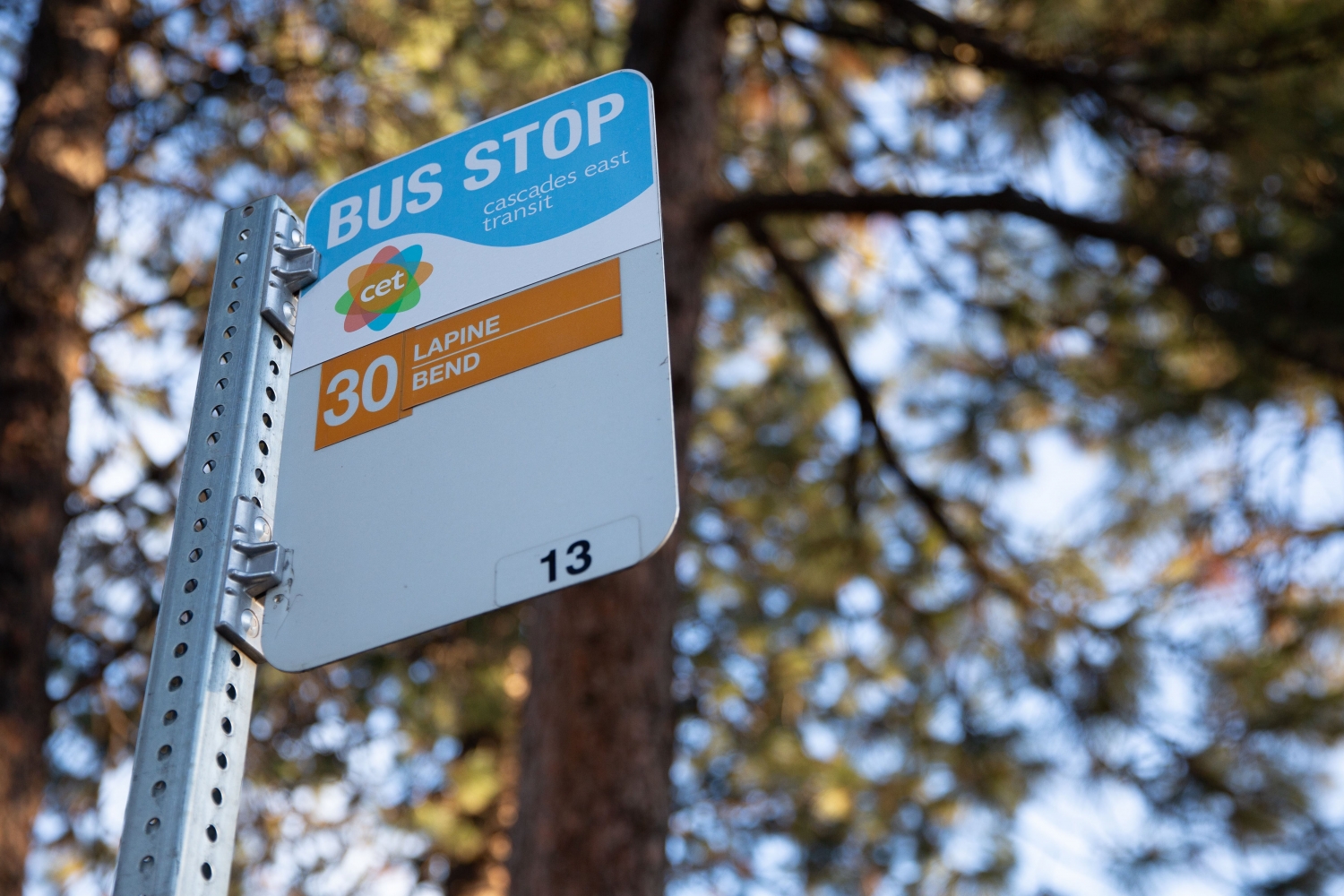
Deschutes River Woods is about five miles south of downtown Bend. Over 4,000 people live there, but there’s only one bus stop. The bus runs a few times on weekdays at the edge of the forested community.
That’s not enough to properly serve the people who live there, said Bob Townsend, Cascades East Transit director. CET was hoping to launch a shuttle service later this year, but like other local transit agencies around the state, it’s delaying projects to see how a political fight over transportation funding will play out.
Last year Oregon Gov. Tina Kotek signed a transportation bill that would have raised payroll taxes to fund transit. But a Republican-led effort organized a referendum to halt major portions of the bill until voters decide in November. No matter the outcome, the uncertainty is already impacting transit agencies across the state. From Bend to the Oregon Coast, local transportation planners are wondering how they’ll plan to accommodate growth and serve people who don’t have other ways to get around.
Salem Area Mass Transit General Manager Allan Pollock worried that, if the upcoming referendum fails, public transit in the state could be reduced to a “lifeline level of service.”
“Just think if you didn’t have access to your car,” he said, “It really curtails the ability for you to live a full or fruitful life.”
The Salem system, known as Cherriots, is the third largest transit district in Oregon, moving more than three million people a year. The system has stopped buying buses amid the tax fight, Pollock said.
Public transportation depends on a combination of federal, state and local funding, he added, and the transit tax hike would help shore up the lack of other funding options.
In Southern Oregon, Rogue Valley Transit District eliminated 10 bus lines because of the federal funding freeze in 2025, said general manager Julie Brown. If the payroll tax increase had taken effect in January as Democratic lawmakers planned, that money would have helped restore those lines.
“The transportation bill would have given us a lot of relief,” Brown said, but because of the uncertainty, “we’re not able to do that.”
The Medford-based system moves about a million people a year. Brown told a story about one RVTD rider who used to take the bus to work on Saturdays. But when that service was cut, she said, the rider stopped going to work on that day because the cost to take an Uber was more than he made in a day.
“He was just like, ‘I have to tell my employer I can’t work. This isn’t working,’” Brown said.
Oregonians spend one tenth of a penny for every dollar of their income to pay the state’s current transit tax. The stalled increase would double that rate, to two tenths of a penny for every dollar of income.
Brown, a Republican, said she knows people are tired of paying taxes, but money for transit is still needed.
“We’re going to have to take a deep breath and try to come up with solutions. If that means getting the people involved in the conversation, I’m all for it,” Brown said.
The Republican-led No Tax Oregon effort gathered more than 163,000 valid signatures supportive of sending portions of the transportation bill to voters in November. State Rep. Ed Diehl, who represents House District 17 east of Salem, helped lead the effort.
Combined with inflation and wage stagnation, Diehl said it’s tone deaf to raise state taxes right now.
“If the city of Salem wants mass transit, then the city of Salem can pay for mass transit,” he said.
He doesn’t think people across the state should be paying for local services they don’t use.
In Central Oregon’s rural Deschutes River Woods neighborhood, a local transit analysis found nearly 1 in 5 residents live below the federal poverty line, almost double the state average.
Cascades East Transit had prioritized offering more shuttles to the city’s residential outskirts by the end of this year. The current lack of transit makes it hard for people to get to work and medical appointments, Townsend said.
“It comes up at numerous community forums, feedback and things like that,” he said.
But now those shuttles are on hold, likely for another two years. The agency secured alternative funding for the project, Townsend said, but it won’t come until 2028 at the earliest.
News Source : https://www.opb.org/article/2026/01/02/oregon-transit-projects-on-hold-as-tax-hike-heads-to-ballot/
Other Related News

01/02/2026
Deputies are looking for a person of interest in a deadly shooting near Redmond in the ear...
01/02/2026
Two pedestrians died in separate crashes on Oregon highways on Dec 22 according to Oregon ...
01/02/2026
Six Flags has opened its first park outside North America featuring Falcons Flight a recor...
01/02/2026
Future Pac-12 member Texas State faces off against in-state rivals the Rice Owls today in ...
01/02/2026
Subscribe to OPBs First Look to receive Northwest news in your inbox six days a weekGood m...

Follow

Download Our App


Copyright 2022 © EPUERTO. All Rights Reserved