

For the best experienceDownload the Mobile App
App Store Play Store
PROBLEM GAMBLING AWARENESS MONTH   
  
March is Problem Gambling Awareness Month (PGAM) and it’s a great reminder that activities, like gambling, can become a problem and impact our communities in different ways. Gambling can be an activity that is used for recreation and fun, but gambling interacts with our brains in the same way alcohol, drugs, and other
PROBLEM GAMBLING AWARENESS MONTH   
  
March is Problem Gambling Awareness Month (PGAM) and it’s a great reminder that activities, like gambling, can become a problem and impact our communities in different ways. Gambling can be an activity that is used for recreation and fun, but gambling interacts with our brains in the same way alcohol, drugs, and other
PROBLEM GAMBLING AWARENESS MONTH March is Problem Gambling Awareness Month (PGAM) and it’s a great reminder that activities, like gambling, can become a problem and impact our communities in different ways. Gambling can be an activity that is used for recreation and fun, but gambling interacts with our brains in the same way alcohol, drugs, and other "low-effort, high-reward" activities do. Because of this, gambling can become an addiction. Problem gambling is the continuation of gambling activities despite personal, social, or financial consequences. Gambling problems are more than just a money issue. Each year problem gambling effects our communities with social impacts such as gambling-related crime which can include embezzling money or burglaries and thefts to help pay gambling debts. Aside from the financial and criminal consequences, problem gambling also negatively impacts relationships. For every one person with a gambling disorder, it is estimated that an additional eight to ten others are affected. Workplaces may see a decrease in productivity, an increase in absences, and other issues if an employee has a gambling disorder. Family and friends often feel replaced by someone’s gambling and can bear the burden of picking up additional responsibilities -both financially (like paying bills on time) and socially (such as increased responsibilities with family, pets, or homecare). Problem gambling is often referred to as the “hidden addiction” because it is easy to hide and can be difficult for others to notice, but there are some warning signs you can look for. Problem Gambling Warning Signs: • Distracted with thoughts of gambling • Spending more time and money gambling • Lying or hiding gambling activity • Risking or damaging relationships • Being irritable when not gambling • Gambling to win back losses (this is also known as chasing losses) • Exaggerating wins and minimizing losses • Borrowing money • Gambling debts • Missing work or other responsibilities If you choose to gamble, there are ways to reduce the risk of gambling becoming a problem. Setting a time limit, balancing life with other social and recreational activities, and avoiding alcohol while gambling are some of the recommended responsible gambling guidelines. You can find more responsible gambling guidelines by visiting www.opgr.org/prevention-resources/. In Oregon, FREE problem gambling treatment and support is available for someone with a gambling disorder and those that may be affected by someone’s problem gambling. Free Problem Gambling Treatment and Support: • Oregon Problem Gambling Resource o Phone: 1-877-695-4648 o Text: 503-713-6000 o Chat on website: OPGR.org

Published on: 02/26/2026

This news was posted by Lincoln County Sheriff

Go To Business Place

Description

PROBLEM GAMBLING AWARENESS MONTH

March is Problem Gambling Awareness Month (PGAM) and it’s a great reminder that activities, like gambling, can become a problem and impact our communities in different ways. Gambling can be an activity that is used for recreation and fun, but gambling interacts with our brains in the same way alcohol, drugs, and other "low-effort, high-reward" activities do. Because of this, gambling can become an addiction. Problem gambling is the continuation of gambling activities despite personal, social, or financial consequences.

Gambling problems are more than just a money issue. Each year problem gambling effects our communities with social impacts such as gambling-related crime which can include embezzling money or burglaries and thefts to help pay gambling debts. Aside from the financial and criminal consequences, problem gambling also negatively impacts relationships. For every one person with a gambling disorder, it is estimated that an additional eight to ten others are affected. Workplaces may see a decrease in productivity, an increase in absences, and other issues if an employee has a gambling disorder. Family and friends often feel replaced by someone’s gambling and can bear the burden of picking up additional responsibilities -both financially (like paying bills on time) and socially (such as increased responsibilities with family, pets, or homecare).

Problem gambling is often referred to as the “hidden addiction” because it is easy to hide and can be difficult for others to notice, but there are some warning signs you can look for.

Problem Gambling Warning Signs:
• Distracted with thoughts of gambling
• Spending more time and money gambling
• Lying or hiding gambling activity
• Risking or damaging relationships
• Being irritable when not gambling
• Gambling to win back losses (this is also known as chasing losses)
• Exaggerating wins and minimizing losses
• Borrowing money
• Gambling debts
• Missing work or other responsibilities

If you choose to gamble, there are ways to reduce the risk of gambling becoming a problem. Setting a time limit, balancing life with other social and recreational activities, and avoiding alcohol while gambling are some of the recommended responsible gambling guidelines. You can find more responsible gambling guidelines by visiting www.opgr.org/prevention-resources/.
In Oregon, FREE problem gambling treatment and support is available for someone with a gambling disorder and those that may be affected by someone’s problem gambling.
Free Problem Gambling Treatment and Support:

• Oregon Problem Gambling Resource
o Phone: 1-877-695-4648
o Text: 503-713-6000
o Chat on website: OPGR.org

641378169_1391227976371066_3415278590540

News Source : https://www.facebook.com/839531794874023/posts/1392873646206499

Other Related News
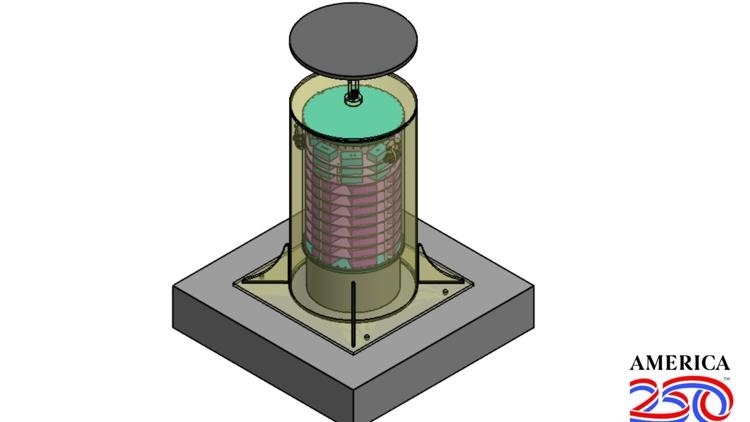
'America’s Time Capsule' planned for nation’s 500th anniversary. Here's what will go inside

02/26/2026

A 250-year time capsule will be buried on July 4 as part of the nations semiquincentennial...
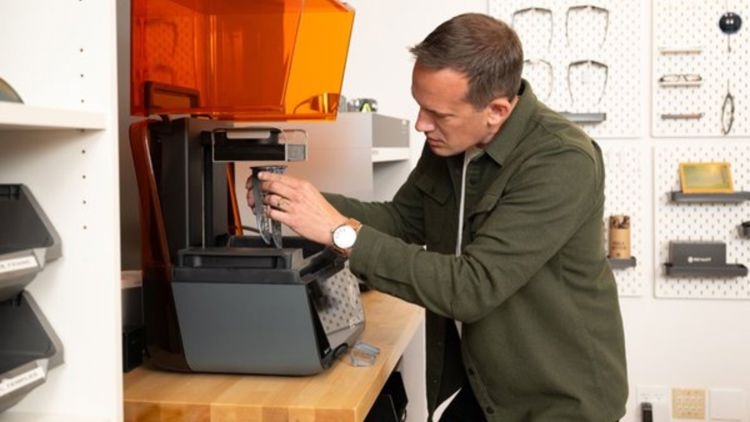
Portland company paid $600K in tariffs, now faces messy fight for refunds

02/26/2026

A Portland business paid 600000 under President Trumpstariff policies now the owner is try...

Crocs Saturday Sandal 2026: Women's and men's styles restocked

02/26/2026

Crocs Saturday Sandal made its return yesterday and if you missed the restock buzz on the ...
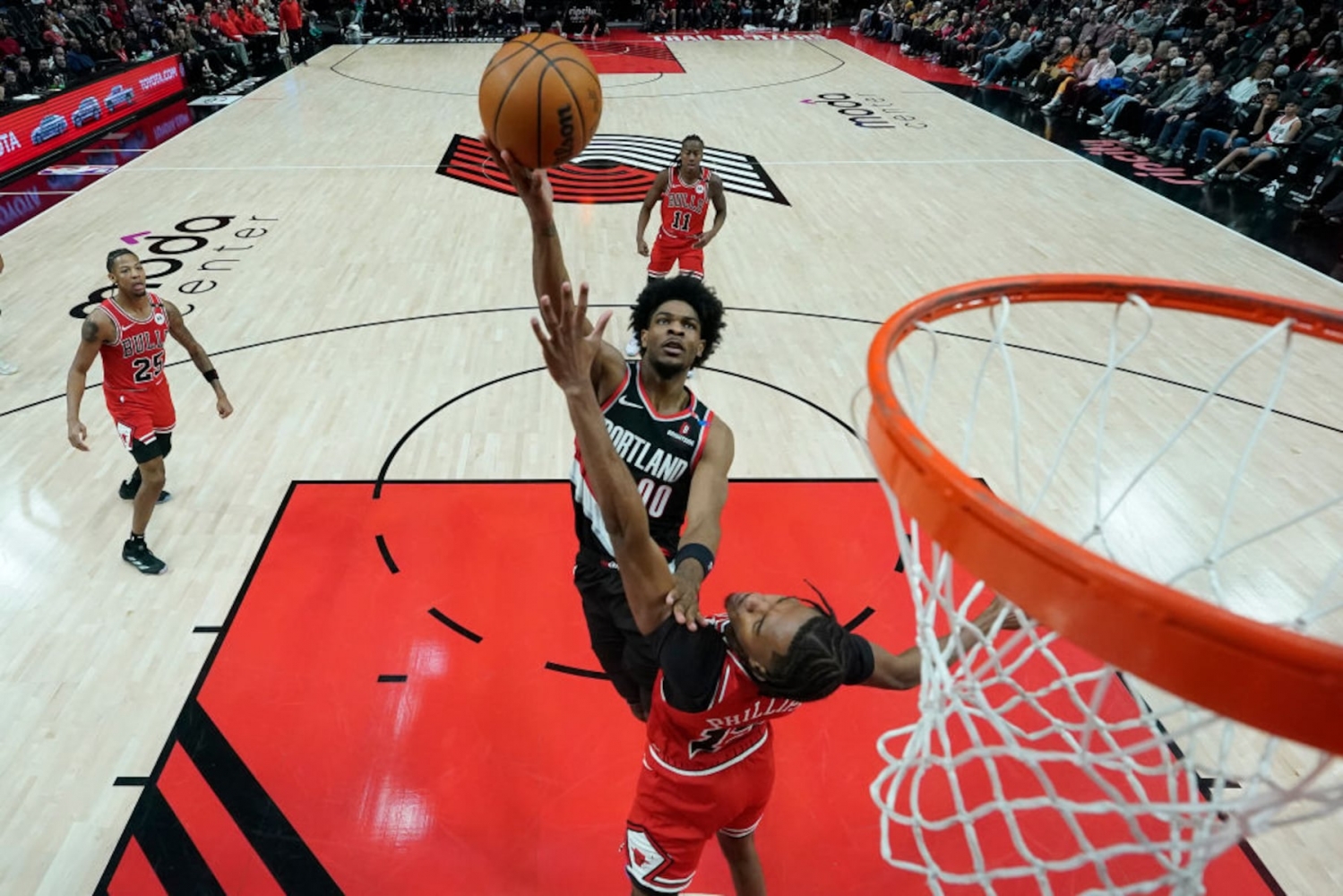
Portland Trail Blazers vs. Chicago Bulls: How to watch streaming live, game preview, odds

02/26/2026

The Portland Trail Blazers play the Chicago Bulls on Thursday in an NBA matchup at United ...
Cult classic bag company to debut in NW Portland

02/26/2026

A bag company with a cult following and only a select few storefronts nationwide is brin...

ShoutoutGive Shoutout
500/500