

Published on: 10/02/2026
This news was posted by Oregon Today News


Description
Investigators in Argentina are trying to solve the mystery of baby whales washing up dead in unusually high numbers along the country’s Patagonian coast.
Scores of the calf carcasses have been washing ashore around Peninsula Valdes, a major breeding ground for southern right whales in Argentina’s Chubut province. Hunted to the brink of extinction in the 19th and 20th centuries, the whales now gather in the peninsula’s sheltered waters to give birth and nurse their young.

“We’re looking into the whale calf deaths based on 23 years of monitoring that we have of this same population. That’s what allows us to say that this is an unusual event,” said Marcela Uhart, a veterinarian with the One Health Institute at the University of California, Davis, who is leading the investigation as head of the Southern Right Whale Health Monitoring Program.
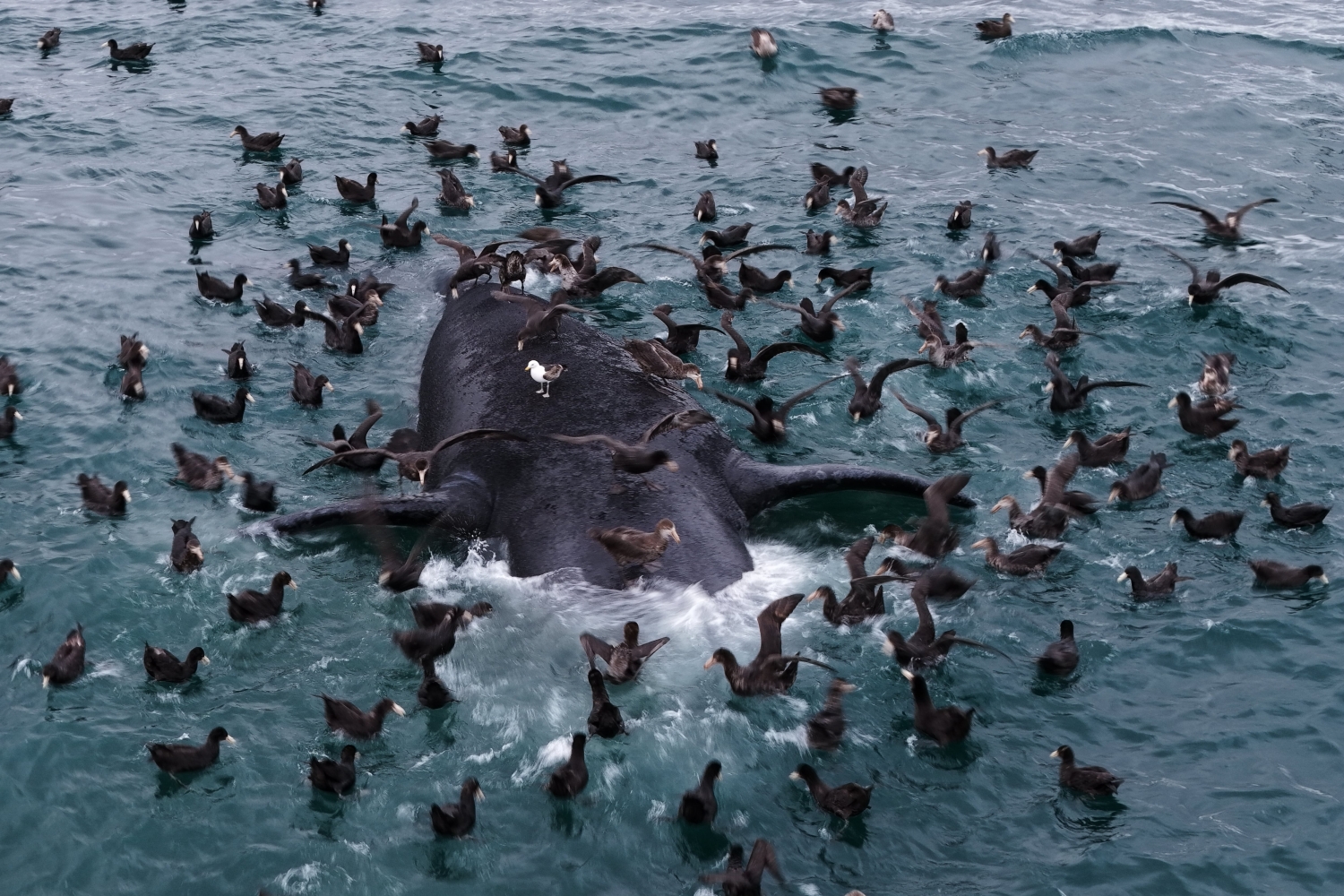
The leading hypothesis is that the whale calves are suffering infections from marine bacteria that can enter their bodies through injuries inflicted by kelp gulls, Uhart said.
For decades, the seabirds have pecked at whales surfacing to breathe, gorging on their skin and blubber. Adults learn to surface with only their heads exposed, keeping their backs underwater and out of reach of the gulls. Calves can’t do that maneuver, leaving them vulnerable to attacks.
The carcasses have been washing ashore around the gulf city of Puerto Madryn, including near the central waterfront where they alarm residents and tourists. Residents have reported hundreds of them, but researchers declined to give a death toll, saying that would become clear after the season ends around late November.
Uhart and a team of biologists, veterinarians and park rangers have been searching the area for the dead calves from shore and with boats, planes and drones.
The work is gruesome: They photograph and examine the bodies, racing against decomposition to collect skin and organ samples for testing at a veterinary school farther north, in the city of Tandil. Bacteria have already been detected in those tissues, but researchers are still culturing samples to identify the microbes and determine whether infection was the cause of death, she said.
Even if bacteria are to blame, researchers must still determine why they have become so deadly this year.
Changes in marine conditions like warming sea temperatures, potentially linked to climate change or El Nino, could contribute to “this perfect storm where this bacteria is powerful enough to overcome the immunity of the babies and cause their deaths,” Uhart said. “So to the extent that we can, we’ll try to identify at least what factors may be triggering this event and making it so massive.”
Right whales got their name from whalers who considered them the “right” animals to hunt because they swam slowly, stayed close to shore and floated when killed, according to the International Whaling Commission, a global body tasked with regulating whaling.
Although illegal hunting continued into the 1970s, southern right whales have gradually rebounded since gaining international protection in 1935. But their recovery remains threatened by the same pressures facing whales worldwide: declining food supplies, fishing gear entanglements, oil spills and ship strikes.
If losses on this scale recur, they could slow the population’s recovery. By pinpointing what is killing the calves, researchers hope to find ways to protect the vulnerable population.
“If the cause relates to something that we are doing as humans, then we need to change that,” Uhart said. “We don’t want to endanger these whales again.”
News Source : https://www.opb.org/article/2026/10/02/scientists-search-for-answers-as-baby-whales-wash-up-dead-in-argentina/
Other Related News

10/02/2026
Todays college football slate features the Pittsburgh Pathers facing off against the Virgi...

10/02/2026
If youre interested in finding a social casino list with reputable platforms offering free...

10/02/2026
Nick Saban admitted this week two of his biggest missteps he took as a coach were a result...

10/02/2026
President Trump has renewed calls for Senators to approve the Sunshine Protection Act whic...

10/02/2026
A Portland student faces multiple attempted murder and domestic terrorism charges for rele...

Follow

Download Our App


Copyright 2022 © EPUERTO. All Rights Reserved