

Published on: 10/17/2026
This news was posted by Oregon Today News


Description

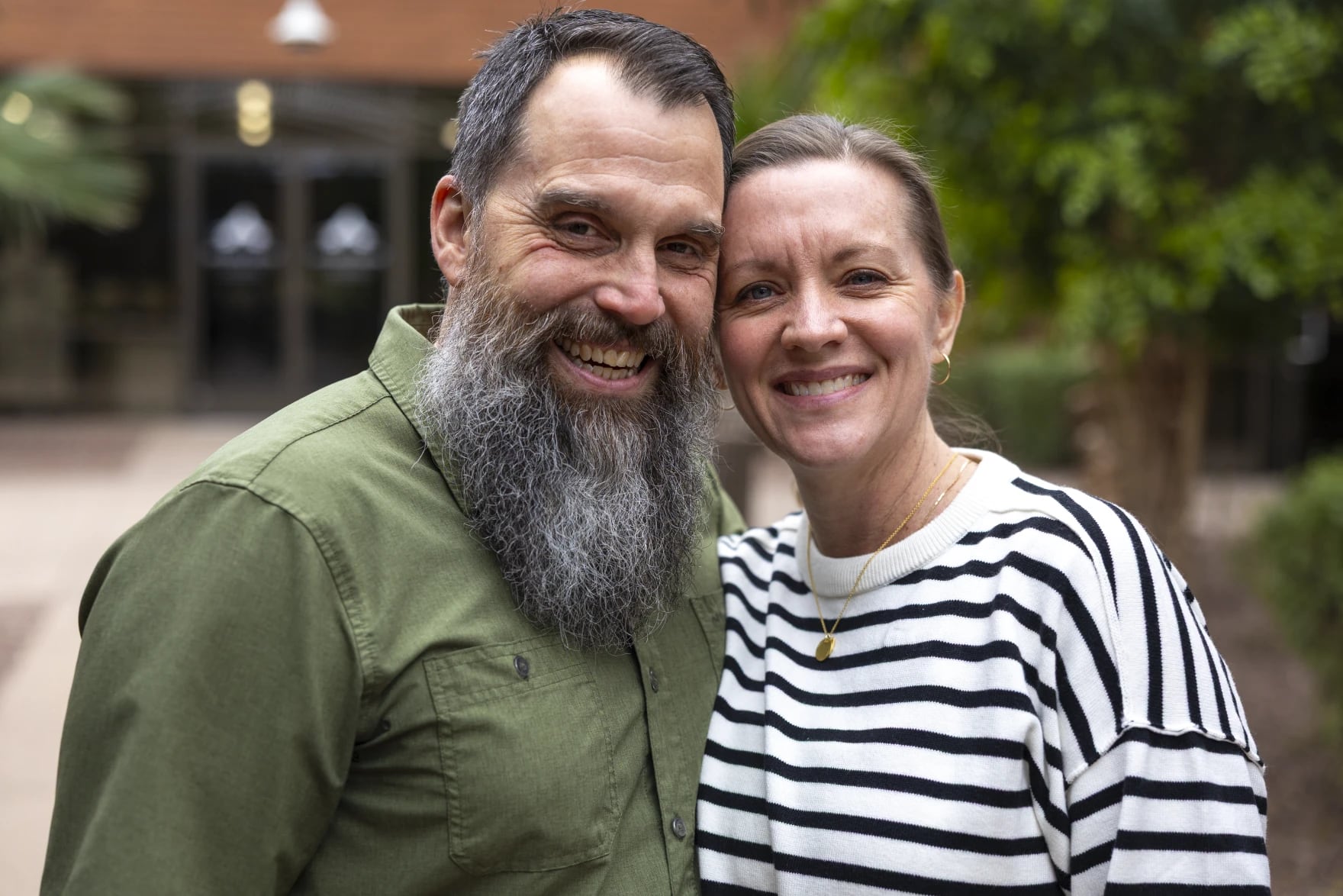
Shane and Jenn DeGross, a married couple from Port Orchard, Washington, became foster parents in 2013. At the time, they were in their late 30s, and their own two kids — who have since grown up and moved out — were still at home. They said their faith as reformed evangelical Christians inspired them to foster children.
Over the course of nine years, the DeGrosses cared for four foster children, one for almost two years.
Then, in 2022, the DeGrosses’ license came up for its next three-year renewal. That’s when they saw new questions on the application.
“Saying that we would love and care for any child was not enough,” Jenn DeGross said. “They were asking us then to be very specific: ‘Will you use their preferred pronouns? Will you take them to Pride parades? Will you take them to [gender-affirming] medical appointments?’ Things that, as Christians, we could not be supportive of or affirm.”
The DeGrosses refused, and the state declined to renew their license — raising questions about the religious freedom of foster parents, the role of Washington state in protecting youth in care, and how best to manage the shortage of qualified foster parents.
The Alliance Defending Freedom, a conservative Christian legal advocacy organization, sued on the DeGrosses’ behalf, saying the new license requirement violated their constitutional rights to free speech and free exercise of their religion. The organization has brought similar lawsuits in Massachusetts and Vermont.
Washington state chose to settle and agreed to remove the requirement that people who want to be foster parents support children’s gender identity and sexuality.
Thousands of children are in foster care in Washington state. They enter the system after a state department verifies reports of abuse, neglect, or abandonment. If they don’t have family members who can care for them, they’re often placed with a licensed foster caregiver.
No one tracks how many of Washington’s foster children identify as LGBTQ+, but about a quarter of young adults under 30 do, and children in foster care are more likely to identify as LGBTQ+ than the population as a whole.
Unlike biological parents, who have broad discretion to raise their children in accordance with their beliefs, foster parents must follow state requirements. That’s because the state is ultimately responsible for foster children’s wellbeing, and pays the foster parents to provide care.
For example, foster parent applicants have to meet minimum income requirements and have enough bedrooms in their home. They have to participate in training programs and agree to use positive discipline methods, not physical punishment.
For a few years, before the DeGrosses sued, the state added a new requirement: that prospective foster parents agree to use a child’s preferred name and pronouns, and take them to medical appointments for gender-affirming care.
Nathan LaChine, a longtime foster parent near Tacoma, said he agreed with that requirement.

“Everything as a foster parent is relationship based,” LaChine said. “The basic principle of a relationship is correct name and correct pronouns. And how do I build a parent-child working relationship with a kid if I’m not using the correct name and correct pronouns?”
Because Washington state chose to settle the case, the constitutional question at its heart is untested: Is the foster parents’ right to free exercise of their religion more important, or the children’s right to a home environment that affirms and supports their chosen identity?
LaChine said he knows where he lands on that.
“What we’re talking about is [the] religious freedom of a foster parent who chooses to be involved in the foster care system versus youth that, through no fault of their own, did not choose to be in foster care,” he said. “And now their rights and safety aren’t being [protected].”
But the lawyer for the DeGrosses, Johannes Widmalm-Delphonse, said in an interview the settlement is good regardless of people’s beliefs about affirming LGBTQ+ identity, because Washington state does not have enough foster parents.
“You could still see how letting families into the system would be beneficial,” he said. “There’s still all these other kids who are not LGBT, and no one would dispute they could safely be placed with [families who do not agree to affirm LGBTQ+ identity].”
Washington’s child welfare agency declined KUOW’s interview requests but did release a statement about the settlement. The statement emphasized that the agency still chooses which children go to which foster parents, and they will not place kids they know identify as queer with foster parents who wouldn’t support them.
The welfare agency statement said the “agreement respects the religious beliefs of foster parents, while ensuring LGBTQIA+ youth are placed in an environment that is safe and supports their well-being.”
The agency said in a follow-up email that they plan to add a new question to a foster parent intake form starting in 2027; the purpose would not be to deny some licenses, but rather to gather information. The wording of that question will be: “Explain how you will support the following characteristics of children and youth in care. If there are areas you feel you cannot support, explain why.” The characteristics listed will include sexual orientation, and gender identity and expression.
That’s how the state plans to identify foster parents who would not be supportive of LGBTQ+ youth. But experts noted that finding youth needing that support could be more challenging.
Bailey Peterson is with Washington state’s Office of Civil Legal Aid.
The state is now “ relying on a large and constantly turning over base of frontline workers to constantly assess the evolving sexual orientation, gender identity and expression needs of children in care,” she said. “ That also requires a level of trust to be built up between the social worker and the child.”
LaChine, the foster parent, also noted that a pitfall of the state’s strategy is that a child’s identity could change or evolve over time.
“It’s a journey of self-discovery,” he said, “and we need to support that journey at all times, and allow the youth to learn who their true authentic self is.”
Eilís O’Neill is a reporter with KUOW. This story comes to you from the Northwest News Network, a collaboration between public media organizations in Oregon and Washington.
It is part of OPB’s broader effort to ensure that everyone in our region has access to quality journalism that informs, entertains and enriches their lives. To learn more, visit our journalism partnerships page.
News Source : https://www.opb.org/article/2026/10/17/washington-foster-care-children-lgbtq-affirming-care/
Other Related News

10/17/2026
Dear Liz My daughter 51 blames me 74 almost daily for her financial problems She says I di...
10/17/2026
In-state rivals collide today as Kansas and Kansas State look for their first Big 12 win o...
10/17/2026
A top-five Big Ten showdown takes center stage today as the No 4 Ohio State Buckeyes visit...
10/17/2026
Arch Manning and No 7 Texas look to bounce back today when Florida comes to Austin for an ...
10/17/2026
Three quarterback appear to be out for Saturday games in colege football

Follow

Download Our App


Copyright 2022 © EPUERTO. All Rights Reserved