

Published on: 10/02/2026
This news was posted by Oregon Today News


Description
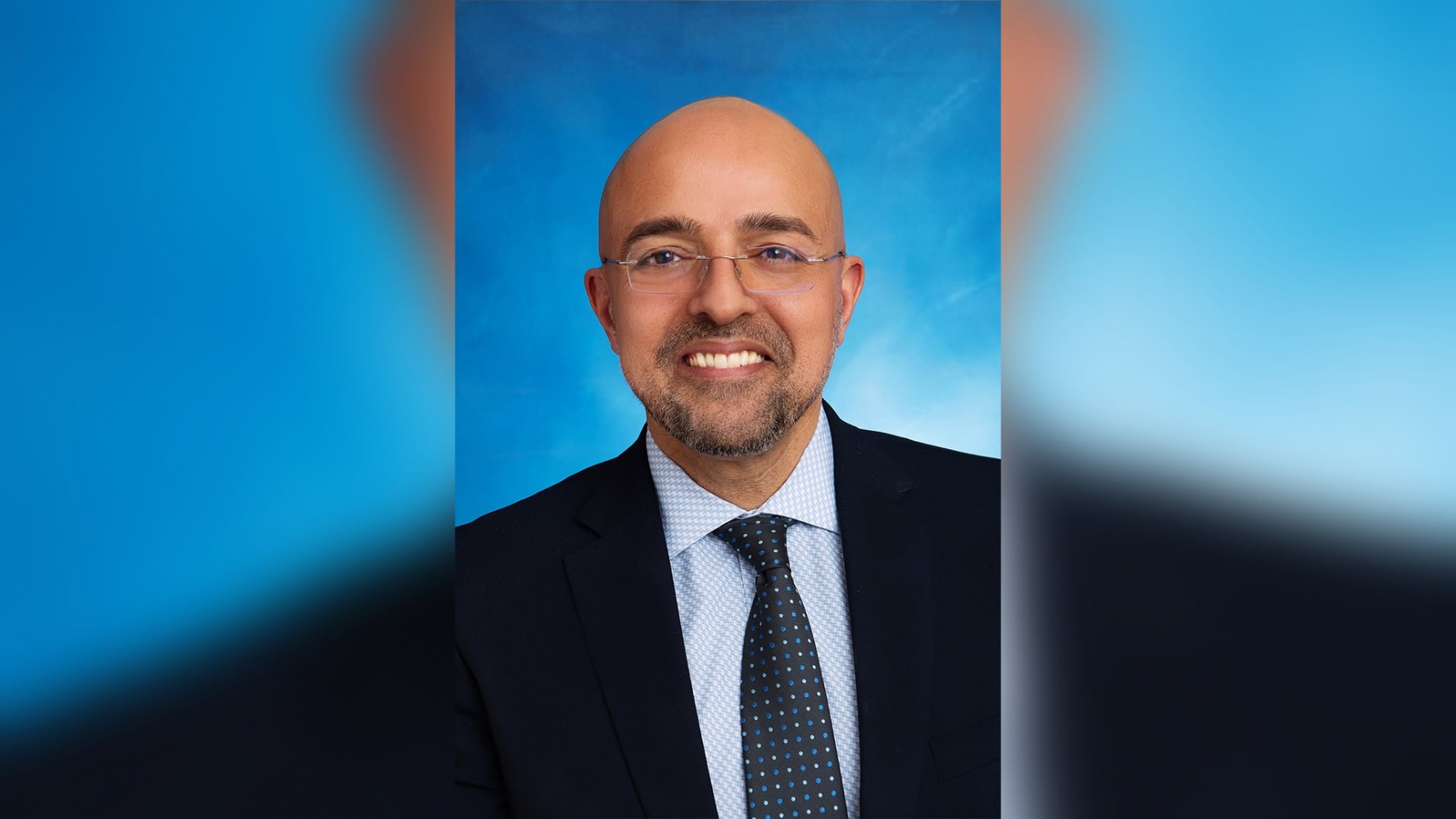
One of Oregon’s largest hospital systems and its high-profile executive, Tarek Salaway, have been embroiled in a fight for months over why he was fired last spring — just months after he was hired. Salaway has sued OHSU over his termination, portraying himself as a whistleblower and accusing OHSU of discrimination. He’s seeking $15.5 million in damages.

New records obtained by OPB show that before it fired Salaway, OHSU substantiated concerns that he had created an intimidating and hostile work environment for his direct reports. But the new documents also bolster one of Salaway’s claims against OHSU: that it has selectively released damaging information about him to the public, while withholding records that soften the most serious claim against him.
That claim against Salaway concerns whether he told his assistant that he wanted to cut a colleague’s throat. But according to a redacted report from OHSU’s department of public safety, his assistant — the only person who actually heard Salaway’s comment first-hand — said he was just venting and that the comment was “harmless.” The assistant also did not participate in OHSU’s internal investigation into Salaway.
OHSU did not release that public safety report when it initially disclosed documents to the public. OPB requested the missing document after it noticed a mention of it in public records it had already received as part of its ongoing litigation with OHSU over Salaway’s investigatory file.
Salaway, who has made OHSU’s handling of the records in his case central to his multi-million-dollar discrimination claim, told OPB he believes his former employer “selectively” followed public records law.
“That effort to withhold the complete file has harmed me,” Salaway said. “I was trying to do my job.”
OHSU’s handling of the documents raises questions about how one of Oregon’s premier institutions is following the state’s record law. The case has also put a spotlight on internal turmoil at a hospital that serves hundreds of thousands of people annually statewide and has struggled with its workplace culture in the past.
OPB gave OHSU an opportunity to respond to written questions about this story, including a question about why it had not released the public safety report in April when OPB first requested OHSU’s full investigation of Salaway.
OHSU said it does not comment on matters in pending litigation. A spokesperson provided a written comment stating that OHSU does not discriminate against anyone, “and is proud of its diverse workforce and student body, including its diverse leadership team.”
OHSU’s case against Salaway
On April 10, after Salaway was fired, OHSU released witness interviews from an employment investigation of Salaway in response to a public records request from Willamette Week. OPB also requested and received the same documents.
They included a statement from a senior executive who was leaving OHSU for a position at another organization. She reported learning from a coworker that Salaway had made inappropriate remarks about her. She then called Salaway’s assistant — the person who heard the remarks directly — and confirmed what they were. According to the senior executive’s second-hand account, Salaway had used profanity and had talked about wanting to strangle her. Then, according to the senior executive, he’d laughed “maniacally” and said, “You know what I’m going to do? I’m going to cut her across the throat.”
The coworker, who had first heard about the remark and gesture from Salaway’s assistant, affirmed to OHSU’s investigators that she had felt concerned enough to call the senior executive and warn her about it.
In her second-hand account to the investigators, the coworker said Salaway was complaining to his assistant about pushback he got from the departing executive during a transition meeting. Salaway then said, “I wanted to get up and cut her off,” followed by profanity and a “throat-slitting gesture” the assistant had demonstrated when repeating the remark.
The records originally omitted in OHSU’s release show that immediately following the allegation, Salaway and his executive assistant — the only other person in the room at the time he made the statement — both gave accounts of the incident that offered a different perspective from the witness interviews.
In a March 11 phone call with OHSU’s human resources department, Salaway denied making any violent remarks and said he had high regard for the colleague in question, the records show.
“I do not use ‘cut’ language nor would I ever express the concept of cutting anyone or anything for that matter. That is not in my repertoire, nor my spirit of how I work or think,” he said, according to a record of the conversation signed by OHSU’s investigator.
Salaway said the gesture he made was a “strike three, you’re out” hand motion that had been misinterpreted.
Salaway’s executive assistant did not participate in OHSU’s employment investigation of Salaway, but she did give a statement to OHSU’s department of public safety on the day Salaway was placed on leave.
According to a summary of the day’s incident written by a public safety officer, the executive assistant said she believed Salaway had been venting when he made the remarks.
She said Salaway was describing a comment the departing executive had made against another of his employees. He then took a deep breath and said, “I cut her off at the neck,” and followed it with a gesture of his hand across his neck.
Salaway, in his signed account, said he was upset that the departing executive had made a “dismissive and belittling” comment about another of his direct reports.
The executive assistant said she perceived Salaway’s remark as harmless and said she did not present it as a threat when she repeated it to a coworker friend, whose name is redacted in the report.
For months after it publicly released the witness statements accusing Salaway of making a violent threat, OHSU has insisted that his response and its investigation of his conduct were exempt from disclosure under the state’s public records law.
They were released only after litigation between OHSU and OPB.
OHSU initially fought the release of its full file in response to OPB’s April 15 records request. After the Multnomah County District Attorney ruled that the public had a right to the records, OHSU sued OPB in civil court to prevent the documents’ release. The health system’s attorneys argued the district attorney erred and asked a judge to make OPB pay OHSU’s legal fees.
OPB responded in court filings, including a motion to dismiss, arguing that Oregon public records law gives no legal basis to require OPB to pay.
OHSU then attempted to withdraw its suit and provided OPB two redacted documents: a copy of its official workplace review of Salaway and a peer assessment of his performance.
In reviewing those records, OPB learned of additional withheld documents and requested them. In response, it received the missing public safety report and a 19-page statement Salaway sent to OHSU on March 15.
The rest of the documents
OHSU’s workplace review of Salaway took place from March 10 to March 12. It was written by a member of OHSU’s human resources team, Genevieve Krietemeyer, and sent to OHSU President Shereef Elnahal.
Krietemeyer concluded that there wasn’t enough evidence to prove that Salaway had used violent language in the workplace, because the two descriptions she had of his remarks were not first-hand accounts.
But she substantiated several other claims. Salaway, she wrote, had engaged in hostile conduct and created an intimidating environment for his direct reports, based on statements from multiple witnesses who said he interrupted, ignored, berated, or embarrassed them. And she flagged two additional concerning patterns: she found Salaway behaved collaboratively and professionally in larger groups, and then acted with less self control in one-on-one settings. He was also inconsistently responsive to emails.
“There is an inherent theme of conduct that is not becoming of an executive leader. He has not been successful at building psychological safety and trust within his team,” Krietemeyer wrote.
Krietemeyer’s review included a long interview with Salaway – but he refused to sign off on a summary of it. Instead, he submitted a 19-page response to her questions two days after their interview.
Krietemeyer refused to sign that document. In it, Salaway defended himself — and attacked OHSU and many of his colleagues. He suggested that criticism over his leadership style stemmed from a culture of complacency at OHSU, and from colleagues who failed to appreciate the urgency needed to address what he said was the hospital system’s mediocre performance on quality and patient safety.
The records OHSU released also include evaluations of Salaway’s performance filled out by his five direct reports. In that exercise, he received polarized scores. His team praised him for his high standards, strategic understanding, and decisiveness. But many of the responses also flag concerns about him interrupting, not listening and jumping to conclusions.
In legal filings in its case against OPB, OHSU’s attorneys have said that he was terminated after an investigation into professionalism and communication concerns, not serious misconduct. Salaway has said OHSU indicated it was firing him “without cause.”
In a previous statement posted on its website, OHSU described its lawsuit against OPB as “an effort to seek clarification from the courts on the proper balance between access to government records and privacy protections for individuals engaged in workplace investigations,” and said it did not intend to withhold information of legitimate public concern.
News Source : https://www.opb.org/article/2026/10/02/oregon-ohsu-lawsuit-salaway-publi-records/
Other Related News

10/02/2026
The knife-wielding man who held off police for hours at a Northwest Portland pizza parlor ...
10/02/2026
A 15-year-old Benson Polytechnic High School student is facing multiple felony charges inc...
10/02/2026
Its not a secret that when Nick Saban took the Alabama job in 2007 he was going to do his ...
10/02/2026
Fourteen people reported getting sick after swimming at the McMenamins Anderson School poo...
10/02/2026
After two stints on Survivor Rick Devens has finally won a reality competition show He was...

Follow

Download Our App


Copyright 2022 © EPUERTO. All Rights Reserved