

Published on: 02/19/2026
This news was posted by Oregon Today News


Description
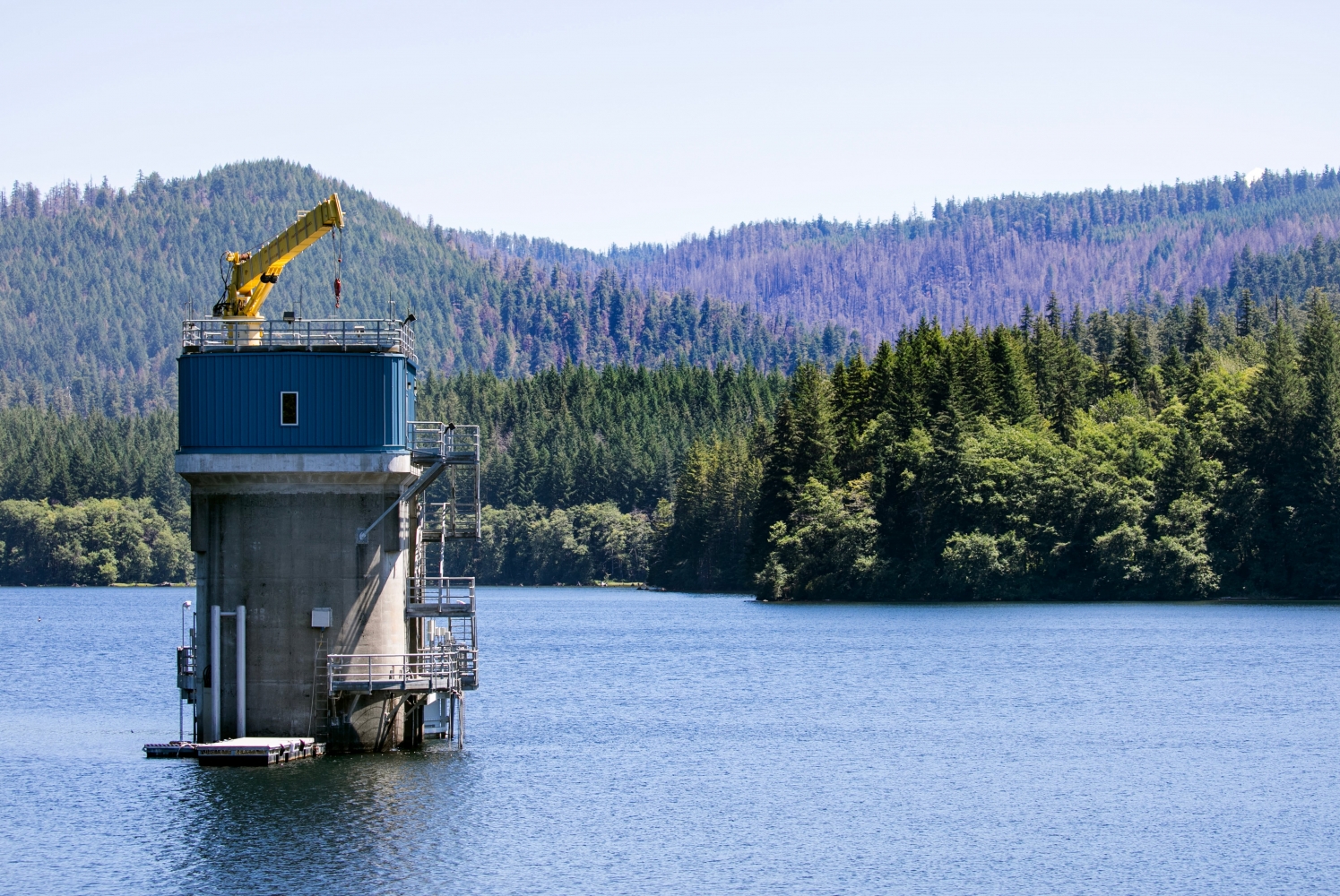
The price tag for Portland’s water filtration project has increased to $2.56 billion, and water officials said Thursday they’re hoping to push back a looming deadline to start filtering the city’s drinking water.
The city first approved what was at first a $500-million plan to filter water from the Bull Run Watershed nearly a decade ago, but construction has been delayed by litigation.
The project’s costs have repeatedly climbed. The nearly 1 million people in and around Portland who get their water from the city will likely see their rates rise as a result of mounting costs, although it’s not yet clear how much.

“Delays in the land use review process, including a temporary pause in construction, has extended our timeline and increased costs,” said Priya Dhanapal, deputy city administrator for public works, at a press conference on Thursday. The last estimate in 2024 put the project cost at $2.1 billion.
“Inflation, rising labor and material costs has added further cost pressure,” Dhanapal said.
The announcement comes days after a state land court ruled in favor of the city’s project in a dispute with nearby property owners.
A coalition of landowners and a conservation nonprofit oppose the filtration plant, arguing the project spanning 95 acres would diminish the state’s inventory of agricultural land. The groups have twice filed appeals against its permits. One of those appeals halted construction for seven months.
As the Portland Water Bureau announced the latest $450 million price increase, its staff also said they’re asking the Oregon Health Authority to give them two more years. The city initially had a September 2027 deadline to reduce its cryptosporidium levels to meet federal standards.
Extreme wildfires threaten the Portland area’s drinking water. It’s not alone
Portland currently treats its water with chlorine, but it doesn’t filter its water. That has allowed trace amounts of cryptosporidium, a diarrhea-causing parasite, into the Portland area’s drinking water.
At the press conference, health officials said they haven’t linked any human cases of cryptosporidiosis to Portland’s water.
Federal rules and a growing need for filtration
In 2017, Portland city leaders opted to build a water filtration facility to comply with federal water standards — and to protect the region’s drinking water from degraded water quality that can result from wildfires and other extreme weather disasters.
These disasters can increase sediment in Portland’s reservoirs in the Bull Run Watershed, a highly protected area of the Mount Hood National Forest. Sediment can react with chlorine in drinking water to create toxic byproducts.
Until recently, wildfires weren’t a major concern in this moist forest. But as the planet has warmed due to fossil-fuel-induced climate change, increasingly disastrous wildfires have ravaged the West. In 2023, a wildfire stopped within a few miles of a reservoir in the Bull Run Watershed.

The new facility won’t filter “forever chemicals” called PFAS (per- and polyfluoroalkyl substances). Researchers have linked these chemicals — which build up in the bloodstream and never leave — to some cancers, decreased fertility, increased blood pressure and weakened immunity.
Water bureau officials have said the city’s drinking water is at low risk for PFAS, and so far, these chemicals haven’t appeared in water tests. If PFAS eventually does become an issue, the new filtration plant can be updated to remove them.
Portland begins building water plant to filter poop and wildfires, but not ‘forever chemicals’
Water rates and rising costs
Construction will be partially funded with about $1 billion in low-interest federal loans. But payments on those loans, and the remaining costs of the project, will mostly come from ratepayers.
“We are continuing to explore financial strategies to smooth costs over time, minimizing the immediate impact on our customers,” Ting Lu, Portland’s director of public utilities, said at the press conference.

When it comes to water rates, Portland currently ranks somewhere in the middle among major U.S. cities. Water bureau officials at the stressed that they are keeping affordability in mind.
“Affordability remains a priority for the city and that is not going to change,” Lu said. “The Portland Water Bureau will continue to provide financial assistance programs, flexible payment options, and other tools to support customers who need help.”
News Source : https://www.opb.org/article/2026/02/19/bull-run-filtration-cost-increase/
Other Related News
02/19/2026
Though the Portland International Airport is still celebrating the 2024 opening of its new...

02/19/2026
The White House insisted Trump was visiting Georgia to promote the economy But in the open...

02/19/2026
The former Prince Andrew was arrested and held for hours by British police on suspicion of...
02/19/2026
Portland Public Schools is under a federal civil rights investigation for moving forward o...

02/19/2026
A Portland city councilor told Oregon Public Broadcasting that she has drafted an ordinanc...

Follow

Download Our App


Copyright 2022 © EPUERTO. All Rights Reserved