

Published on: 06/24/2026
This news was posted by Oregon Today News


Description
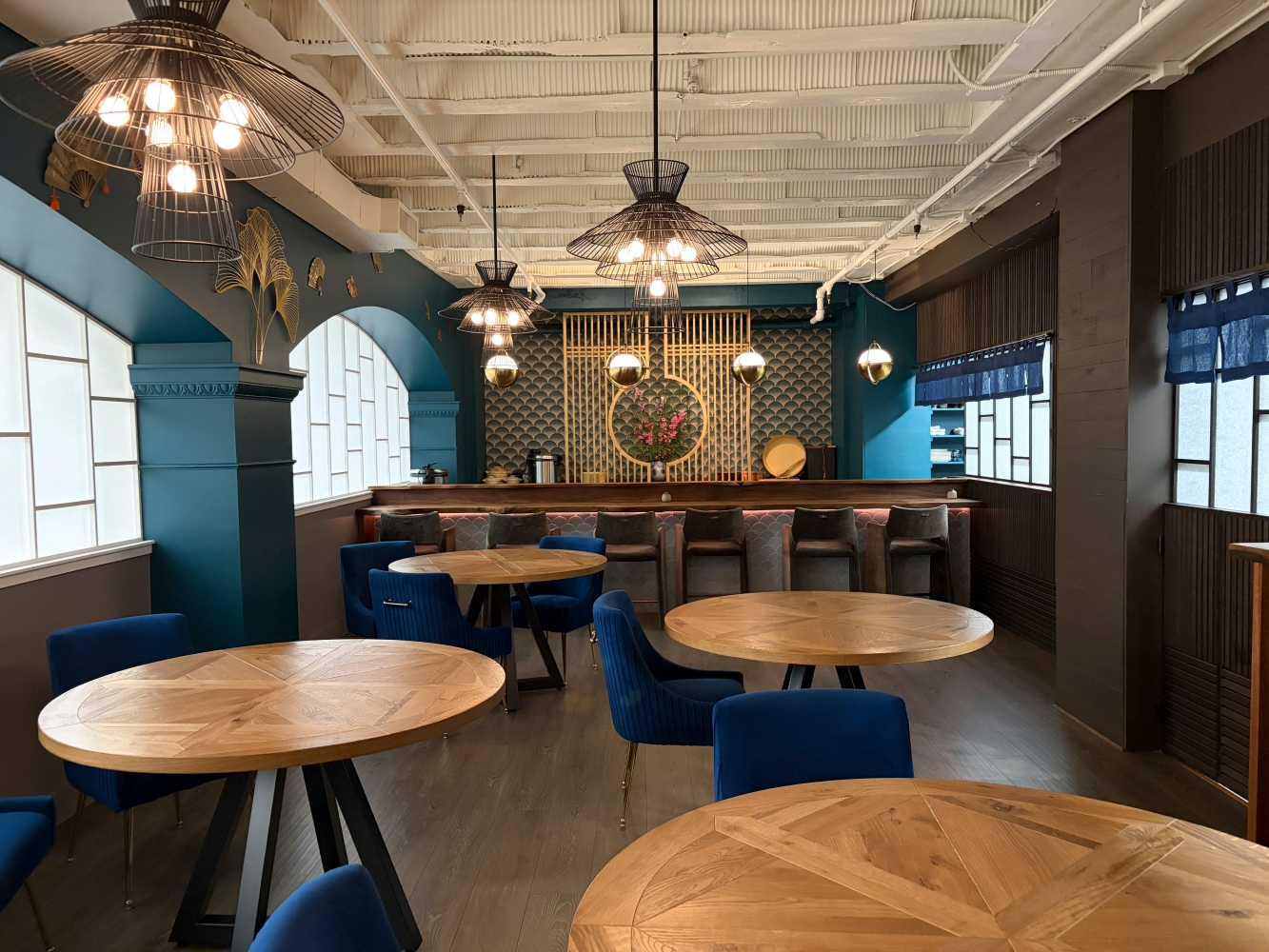
Twelve years ago, Portland chef Ryan Roadhouse went out on a limb. After cooking for years at iconic Japanese restaurants around the US and abroad, he wanted to focus on a more intimate dining experience: a small-scale, multi-course restaurant called Nodoguro. He and his wife Elena teamed up to create first a pop-up and eventually a coveted brick-and-mortar dining experience.
The avant-garde riff on omakase has menus themed with the abstract: celebrating writers and directors, indie music albums and even Japanese manga.
Last week, Roadhouse won a James Beard award for Best Chef: Northwest and Pacific. OPB’s “All Things Considered” host Crystal Ligori spoke with Roadhouse about the win and the restaurant’s place in the Pacific Northwest.
Crystal Ligori: You’ve been nominated for a James Beard Award nine times previously, so what did it feel like this time to win?
Ryan Roadhouse: I was speechless, just didn’t really know what to say because being involved nine times, it just turned into a ritual for me that I really loved. It’s like every year, the longlist drops and it’s like, “Oh, it’s great to be a part of this again.” And that was pretty much as much thought as I’d ever really given because I didn’t know if it was really even possible to win. Last year, I was a little anxious being in Chicago, but this year I was pretty calm and then it just happened.

Ligori: Can you talk about your connection to Japanese food and this style of Japanese cuisine?
Roadhouse: Growing up, I was doing a lot of different things in my teens that potentially could have been my future, but I always loved food and the restaurant that I’d been to a couple of times that I really liked was a Japanese restaurant. So I started working there as a busboy, a kind of a dish room assistant, [and] shortly into it I got pulled into the kitchen. I just loved cooking and I got really immersed in the Japanese culinary arts. That was my start and it felt natural and through that process I ended up working for truly great chefs that became mentors of mine. I got to work in Japan, I got to work in multiple cities, and that was really how it all started.
Ligori: The dining style is what’s considered omakase, right? Where you’re just like “Someone else chooses.”
Roadhouse: Exactly. So omakase is accurate because that means you just trust us to cook for you. At this point, we’ve been described as so many things over the years, none of them are maybe 100% accurate. It’s sort of [an] encyclopedic approach to the Japanese gastronomy, probably in a way you haven’t seen. Although I always aspired to do Kaiseki cuisine and somehow present that, I thought that it was maybe not a good word to use because it’s all about tradition and people who understand it might realize that we’re riffing real hard. So, a local writer, Karen Brooks, what she came up with was “Kaiseki without the rules.”
Ligori: Your menus are often built around a theme, but it goes beyond just ‘seasonality’, and can get really abstract. You did a “Twin Peaks” menu, I know you did a menu themed around an album from Neutral Milk Hotel, and your latest menu is inspired by the manga series “Jojo’s Bizarre Adventure.” Talk about the choice to go so abstract with what you’re doing.
Roadhouse: Up until when we opened in 2014, I was just a chef at different Japanese restaurants and I’d landed here in Portland with a lot of other really great chefs in the 2010’s. And I remember being here and meeting all these people who were moving to Portland from New York and L.A. and Portland just felt like such a dreamland in a way, because of the forest, the farmers’ market, and then there was a ‘pushing the envelope’ dining scene here.
So when we did start Nodoguro in 2014, Elena got more involved and our first restaurant, it was really cool, we were in the side room of a grocery store, and it was very ‘Portland’, but Lena felt it was lacking in ambience, so she was like, “I want to create a thematic look to the dining room”, kind of build it like a theater set. That way people will not worry about the quality of our chairs and things like that. It’ll be more about that you’re coming into an event and we’re creating an atmosphere for you. And so for the first one, she said, “I want to do Haruki Murakami, [but] I’m really busy right now at work though. Could you do some research for what we should do for the room decor?”
And I came up with nothing interesting, but I was like “I do have really good news… I made a menu from the pages of the Haruki Murakami book.” There’s all these different food themes within the book, and so I just made the menu entirely of those. And so that was kind of like that first spark for me as a chef. Once we did that, it felt a certain way and then we just kept pushing and pushing that further and then next thing you know you’re doing “Jojo’s Bizarre Adventure.”

Ligori: How often do the menus change?
Roadhouse: About every, every six weeks or so, I have to come up with some new stuff. We started that in the beginning because I only knew like 20 people who were willing to come to dinner. So you know when they leave, I’m gonna say, “You know, next month is a totally new menu if you guys want to come back!” And a lot of them would and then new people would come and then we just kept that pattern going to make sure that we kept the fresh experience. It worked out that we really curated this great community of people who were into it and they wanted to continue to experience it.
Ligori: Noduguru is at a price point that makes it a special occasion meal and potentially a meal that many folks won’t ever be able to experience. How do you see it fitting into the culinary landscape in Portland and the larger Pacific Northwest?
Roadhouse: In Portland, we like our carts, we like our street food, our dive bars and things with a lower price point, and that’s one of the attractions that this city has always been. You can have great food and it’s cheap, and maybe the rent’s cheaper than the rest of the West Coast, but you know, a lot of that has also changed. High-end restaurants aren’t common here because people like these other ones. So, from the very beginning, I think the only reason people ever came is because we’ve always been highly in tune with people’s sense of value.
And so when you come to here, you’re gonna be surprised at the value if you’ve gone to other high-end restaurants around the world. But I think that the value part of it just goes so much deeper because for Elena and I, when you have something that shouldn’t be somewhere – like Noduguru in Portland, Oregon – when you have something that shouldn’t be there, shouldn’t exist, someone has to make extreme sacrifices in order to make that happen.
And those are all behind the scenes, and of course people measure value in different ways, but for us there’s this energetic investment that we’ve put into these experiences for people that hopefully if they do decide to come and experience it, as long as all the other pieces of value, they can take that away with them as well.
Ligori: Do you think Noduguru could exist anywhere but Portland?
Roadhouse: Well, I think it could have never started anywhere but Portland. But we talk about that a lot because you get so used to being here and then sometimes you forget how unique a place this is. So I would say most certainly it could have never started anywhere else but Portland, but a lot of people who travel from Japan say, “You should open one of these in Japan,” so that perhaps would work. But I think in terms of where we were founded and where we belong, I think it’s here.

News Source : https://www.opb.org/article/2026/06/24/portland-nodoguro-james-beard-award-ryan-roundhouse/
Other Related News
06/24/2026
The Bureau of Emergency Communications has made huge strides in staffing cutting down on t...
06/24/2026
Seven teens were rescued from a dam in Pennsylvania thanks partly to life jackets they bor...

06/24/2026
PENDLETON A state grant is giving a summer boost to language and literacy development in ...
06/24/2026
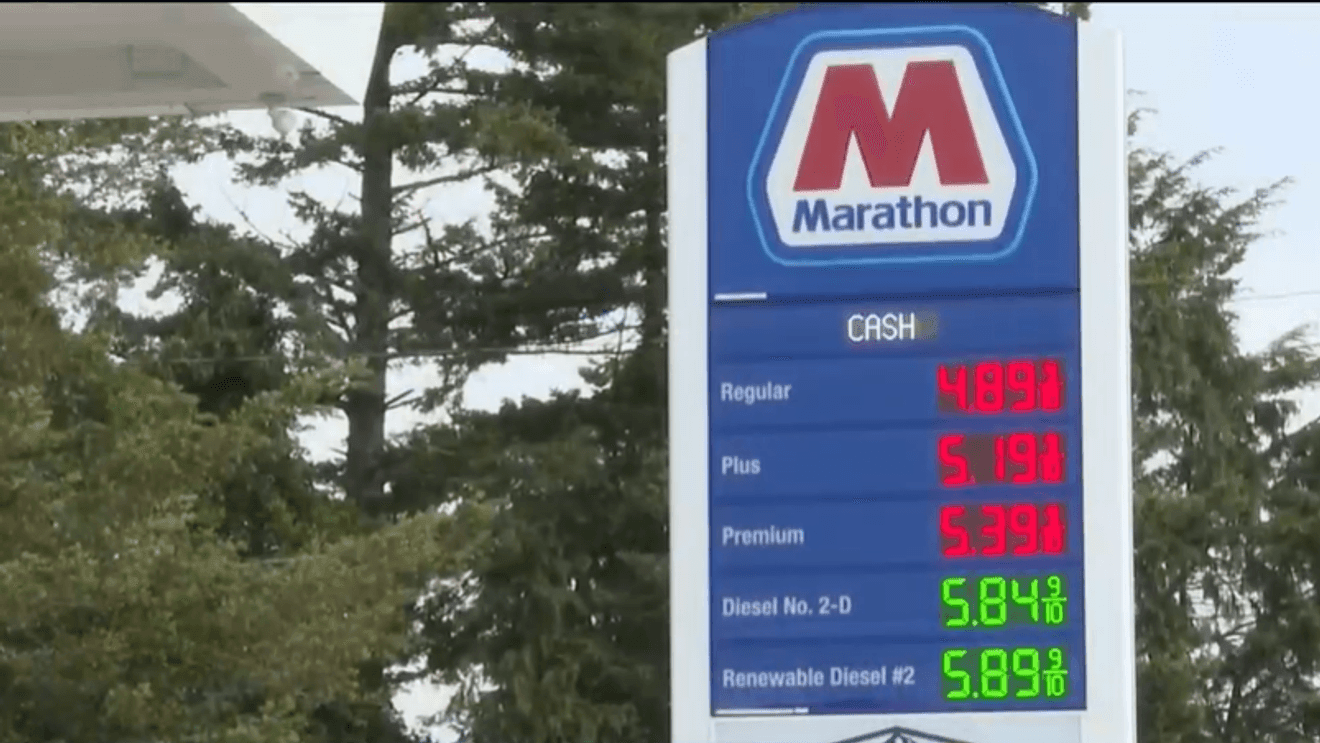
The state of Oregon this week agreed to pay 49 million to settle a class-action lawsuit al...

Follow

Download Our App


Copyright 2022 © EPUERTO. All Rights Reserved